外国驾照考试视频教学下载
1、It lights while driving to indicate that ______

A. engine temperature is too high
B. engine cooling system malfunction
C. engine lubrication system malfunction
D. engine temperature is too low
Answer:A
2、This sign reminds there is a ferry ahead for vehicles.
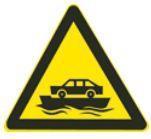
A. Right
B. Wrong
Answer:A
3、It lights to indicate that ______

A. the hazard lights flash
B. right-turn signal flashes
C. left-turn signal flashes
D. front and rear width lights flash
Answer:A
4、Whats the meaning of this sign?
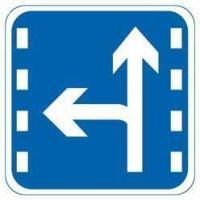
A. lane for both going straight and U turn
B. lane for both going straight and left turn
C. lane for going straight and right turn
D. lanes for going in different directions
Answer:B
5、When driving, the driver should be courteous and defensive, instead of being offensive.
A. Right
B. Wrong
Answer:A
6、The method and direction of changing lanes by the red car is correct.
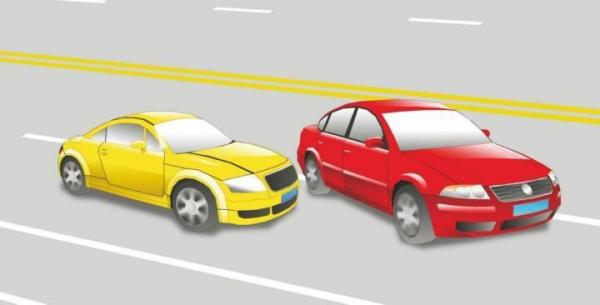
A. Right
B. Wrong
Answer:B
7、If one drives an illegally assembled motorized vehicle, he should not only pay the fine, but also ________ .
A. be temporarily detained the driving license
B. be revoked the driving license
C. be held for criminal liabilities
D. be detained for less than 10 days
Answer:B
8、When driving in icy and snowy weather, the vehicle steadiness decreases and sudden acceleration can very easily cause spins and slides.
A. Right
B. Wrong
Answer:A
9、The doors of both sides are not closed if it lights.

A. Right
B. Wrong
Answer:A
10、Whats the meaning of this sign?

A. max speed
B. speed limit
C. speed recommended
D. mini speed
Answer:C
11、Displays the current speed is 20 km / h
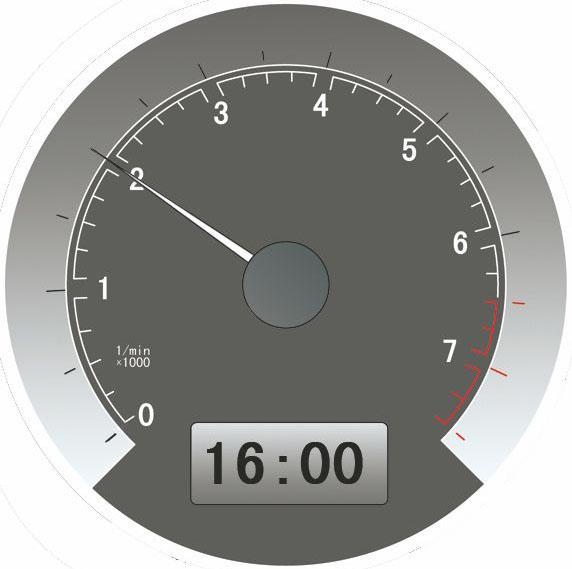
A. Right
B. Wrong
Answer:B
12、A person whose driving license has been destroyed cannot drive a motorized vehicle.
A. Right
B. Wrong
Answer:A
13、Whats the meaning of this sign?
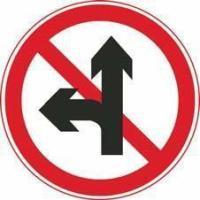
A. no going straight and no changing to left lane
B. no going straight and no left turn
C. allowed to go straight and turn left
D. no going straight and no right turn
Answer:B
14、The vehicles should run by the right shoulder of an expressway.
A. Right
B. Wrong
Answer:B
15、It lights to indicate that ______

A. engine compartment is opened
B. cover of fuel tank is opened
C. doors of both sides are opened
D. luggage compartment is opened
Answer:C
16、It lights when turning on the right-turn signal.

A. Right
B. Wrong
Answer:B
17、This sign reminds overflowing road or overflowing bridge ahead.
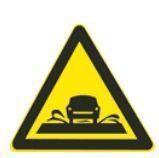
A. Right
B. Wrong
Answer:A
18、Reducing the speed when driving in sand, hail, rain, fog, ice and other weather conditions.
A. Right
B. Wrong
Answer:A
19、When a vehicle encounters a bike rider coming in the opposite direction on the road, the driver should _________.
A. Continuously change the high and low bean lights
B. Continuously honk
C. Use the low beam light, reduce speed or stop to evade
D. Use the high beam light
Answer:C
20、If the driver finds there is no vehicle following, he can change lanes without turning on the turn signal.
A. Right
B. Wrong
Answer:B