大兴安岭摩托车科目四英语试题
1、When a motor vehicle stops in snow, which lamp should be turned on?
A. Front and rear fog lamps, clearance lamp and rear position lamp
B. Reverse lamp, clearance lamp and rear position lamp
C. Headlamp, clearance lamp and rear position lamp
D. Hazard lamps, clearance lamp and rear position lamp
Answer:D
2、When driving on a damp and slippery road, drivers should avoid using the emergency brake to his/her best ability.
A. Right
B. Wrong
Answer:A
3、When a tire blowout on the road, the driver should swiftly depress the brake pedal to reduce speed and stop the vehicle.
A. Right
B. Wrong
Answer:B
4、Which lamp should be used when motor vehicles pass hrough an intersection at night where there is no traffic light signal?
A. High-beam
B. Low-beam
C. Hazard lamps
D. High-beam and low-beam should be used alternatively
Answer:D
5、Whats the meaning of the double white broken lines in far front of the intersection?
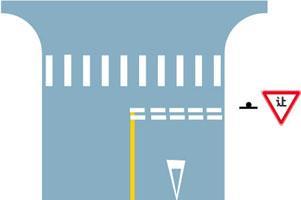
A. Waiting to run line
B. Stopping and yield line
C. Slowdown and yield line
D. Left-turn waiting line
Answer:C
6、Drivers should wear shoes or boots, which have heels and not skid soles, to ensure the acute, accurate, and reliable gear-shifting by feet.
A. Right
B. Wrong
Answer:A
7、What is the meaning of this sign?
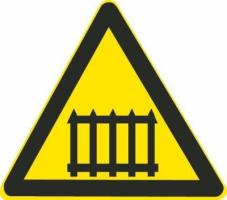
A. A manned level crossing
B. Multi-crossing of railway and road
C. Grade separation level crossing
D. An unmanned level crossing
Answer:A
8、What is the meaning of this sign?
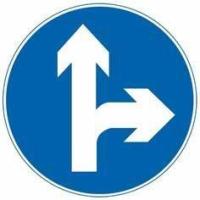
A. Going straight and left turn
B. Going straight and right turn
C. No going straight and no right turn
D. Left turn and right turn only
Answer:B
9、What is the meaning of this sign?
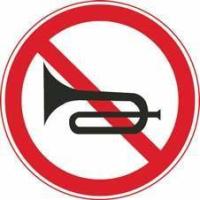
A. No long time honking
B. Honk discontinuously
C. Reduce speed and honk
D. No honking
Answer:D
10、What is the meaning of this sign?
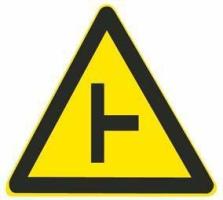
A. Y-shaped intersection
B. T-shaped intersection
C. Intersection
D. Ring intersection
Answer:B
11、Which of the following measures is correct for rescuing a person sustaining full-body burns?
A. Cover the fire with sandy soil
B. Spray cool water to his body
C. Put out the fire by extinguisher
D. Help to remove the burning clothes
Answer:B
12、When driving on a snowy day, drivers should follow the tracks on the road before them.
A. Right
B. Wrong
Answer:A
13、What is the meaning of this sign?
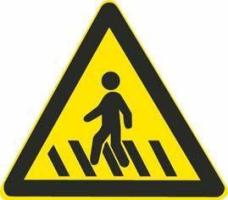
A. Watch for pedestrians
B. Watch for children
C. School area
D. Crosswalk
Answer:A
14、When a wounded person suffering bone fracture in the thigh, shank and spine, it is necessary to keep the fracture in position and refrain to move the wounded person.
A. Right
B. Wrong
Answer:A
15、What is the meaning of this sign?
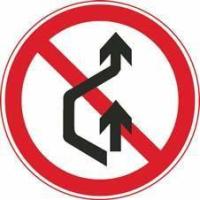
A. No borrowing lane
B. No changing lane
C. No overtaking
D. No U turn
Answer:C
16、A driver should accelerate in advance to overtake then it is likely to meet with oncoming vehicles.
A. Right
B. Wrong
Answer:B
17、Driving a motor vehicle in the downhill section of a mountain road avoids overtaking as much as possible because _______.
A. Vehicle resistance in downhill section is very high
B. Vehicles on downhill sections are more difficult to control than on flat roads due to gravity.
C. In downhill section, the front speed is faster and it is difficult to overtake.
D. Vehicles on downhill sections tend to be too fast due to gravity
Answer:BD
18、What is the meaning of this sign?

A. Reducing speed 40m ahead
B. Minimum speed is 40km/hr
C. Axle weight limit is 40 tons
D. Maximum speed limit is 40km/hr
Answer:D
19、What should motor vehicle drivers do when approaching an oncoming vehicle on a frozen road?
A. Cut speed as approaching each other
B. Pass each other by speeding up properly
C. Pass each other slowly by cutting speed in advance
D. Pass each other along the central line to the best
Answer:C
20、When using emergency brake, be aware of keeping the body of the motorcycle being perpendicular to the ground to avoid sideslip.
A. Right
B. Wrong
Answer:A