黔东南驾校考试英文版
1、Whats the meaning of this sign?
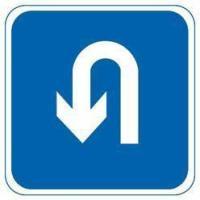
A. U turn
B. reversing
C. left turn
D. bypassing
Answer:A
2、Whats the meaning of this sign?
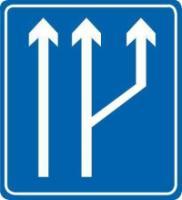
A. change to right lane
B. branching point
C. road surface becomes wider
D. the number of lanes increases
Answer:D
3、The red car can run in this lane.
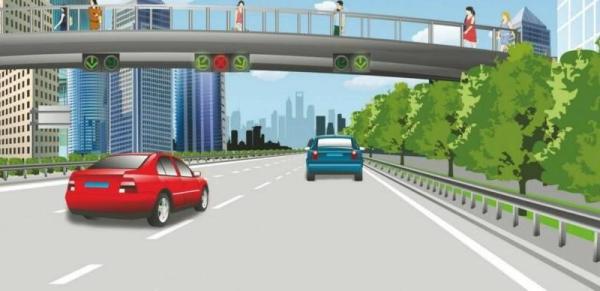
A. Right
B. Wrong
Answer:B
4、Opening the doors of a motorized vehicle should not obstruct the flow of other vehicles and pedestrians.
A. Right
B. Wrong
Answer:A
5、Continuously using the foot brake on a long downhill road ________.
A. Can shorten the engines service life
B. Increases the drivers labor intensity
C. Can drastically reduce the braking efficiency due to the rising temperature of the brake
D. Can easily cause vehicle overturn
Answer:C
6、When driving in icy and snowy weather, ________.
A. The braking distance becomes longer
B. The resistance to slide becomes larger
C. The braking performance does not change
D. The road grip becomes stronger
Answer:A
7、The hazard lights can be used when ________
A. encountering traffic congestion
B. following a vehicle on road
C. the vehicle breaks down and stops
D. leading the vehicle behind
Answer:C
8、How to make a U turn in this intersection?
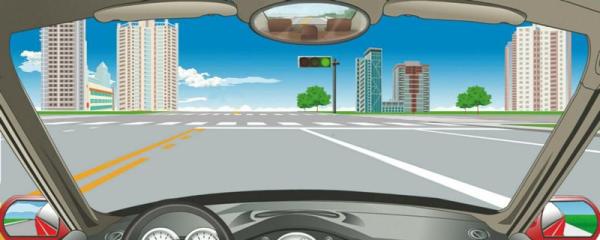
A. broken lines of the central line
B. make a U turn from the right lane
C. enter the intersection and make a U turn
D. make a U turn in the crosswalk
Answer:A
9、If a motorized vehicle driver has caused a major accident in violation of the traffic regulations which has caused serious injury, the driver is subject to a prison term of less than 3 years or a criminal detention.
A. Right
B. Wrong
Answer:A
10、When a vehicles turns, it should do so on the right side and refrain from occupying the lane of the other party. The left turn should be gentle and the right turn should be sharp.
A. Right
B. Wrong
Answer:A
11、Ignition switch in the ON position, the vehicle can not use electrical appliances.
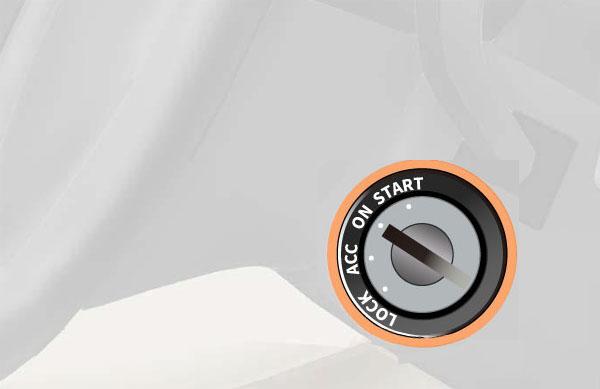
A. Right
B. Wrong
Answer:B
12、When a motorized vehicle stops temporarily at the roadside, the driver ________.
A. Is not allowed to stop in the opposite direction or in parallel
B. May stop anyway he likes as long as it is convenient for him to get out
C. May stop the vehicle in the opposite direction
D. May stop the vehicle in parallel
Answer:A
13、When passing an unmanned level crossing, the driver should ________.
A. Speed up and pass
B. Reduce speed and pass
C. Maintain the speed and pass
D. Stop, look and pass
Answer:D
14、One can drive the small motor vehicle with automatic transmission if the authorized vehicle applied for is small motor vehicle.
A. Right
B. Wrong
Answer:A
15、If a motorized vehicle driver chases and races while driving on road, commits serious acts, the driver is subject to a prison term of less than 3 years.
A. Right
B. Wrong
Answer:B
16、How to run when encountering this situation at the intersection?
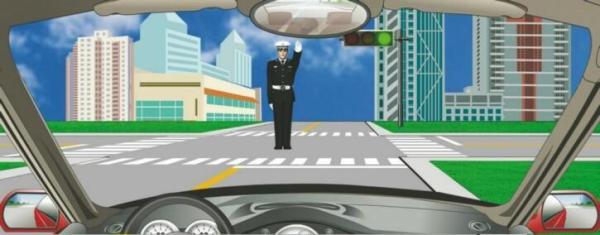
A. stop and wait
B. obey the traffic lights
C. run straight on the right side
D. may turn right
Answer:A
17、Which kind of vehicle can be driven if the authorized vehicle applied for is small motor vehicle with automatic transmission?
A. low-speed truck
B. small motor vehicle
C. motorcycle
D. light truck with automatic transmission
Answer:D
18、Whats the meaning of the double yellow solid lines?
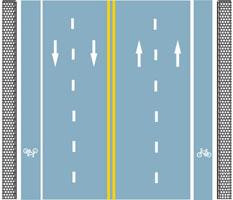
A. opposite direction lanes dividing line that can not be crossed
B. opposite direction lanes dividing line that can be crossed
C. bilateral same direction lanes dividing line that can be crossed
D. one-way lanes dividing line
Answer:A
19、Which of the following vehicle in front in the same lane is not allowed to be overtaken?
A. the vehicle is reducing speed to yield
B. the vehicle is running normally
C. the vehicle is overtaking
D. the vehicle is making a stop
Answer:C
20、What kind of violation does this vehicle on road have?
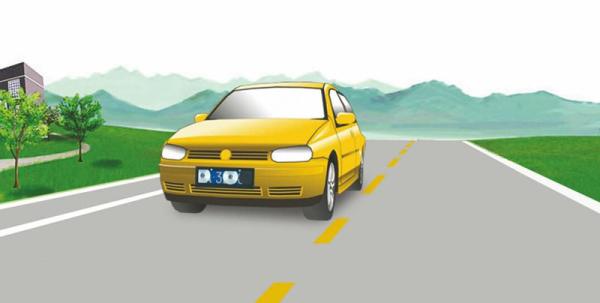
A. not hang the license plate as required
B. deliberately cover the license plate
C. occupy the lane for non-motorized vehicles
D. run in the opposite direction
Answer:B