乌兰察布2026考驾驶证英文试题
1、Whats the meaning of this sign?
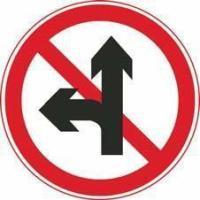
A. no going straight and no changing to left lane
B. no going straight and no left turn
C. allowed to go straight and turn left
D. no going straight and no right turn
Answer:B
2、What marking is the combination of the white broken lines and the triangle area?
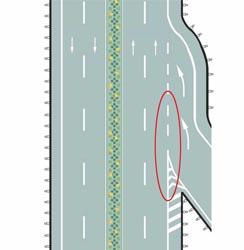
A. road entry marking
B. lane-dividing line that can be crossed
C. deceleration line at road entry
D. road exit marking
Answer:A
3、The seat belts can reduce the injury of the driver and passengers when there is a collision.
A. Right
B. Wrong
Answer:A
4、No turning right when encountering this traffic light at the intersection.

A. Right
B. Wrong
Answer:B
5、Whats the meaning of this sign?
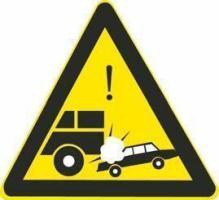
A. accident-prone section
B. construction section
C. reducing speed and going slowly section
D. jammed section
Answer:A
6、If the registration paper, license plate and vehicle license of a motorized vehicle are lost or destroyed, the vehicle owner should apply for reissuing or replacing them to the vehicle management station at the residential place.
A. Right
B. Wrong
Answer:B
7、Whats the meaning of this sign?
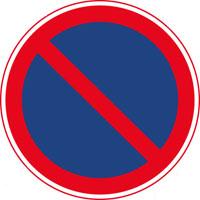
A. no stopping temporarily
B. no long stopping
C. no stopping
D. long stopping is allowed
Answer:B
8、How to drive in sand, hail, rain, fog, ice and other weather conditions?
A. run as normal
B. maintain the speed
C. speed up properly
D. reduce the speed
Answer:D
9、Whats the meaning of this sign?

A. distance to a tourist area
B. direction of a tourist area
C. symbol of a tourist area
D. category of a tourist area
Answer:A
10、Which lane to choose when turning left in this intersection?
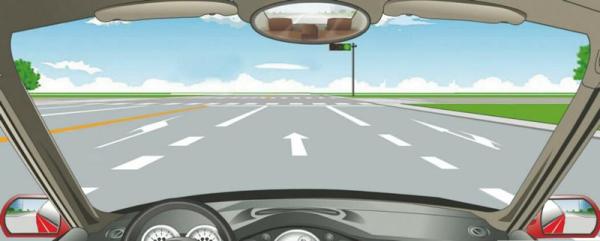
A. the far left lane
B. middle lane
C. not need to change lane
D. the far right lane
Answer:A
11、What does this symbol indicate?

A. luggage compartment is opened
B. door of one side is opened
C. engine compartment is opened
D. cover of fuel tank is opened
Answer:A
12、What pedal is it?
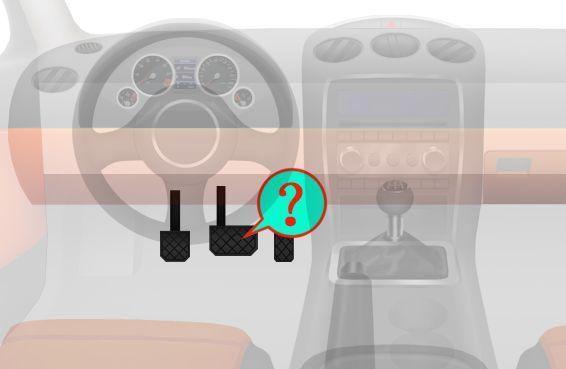
A. clutch pedal
B. accelerator pedal
C. brake pedal
D. handbrake
Answer:C
13、Violating the law and regulations on road traffic safety is the act of violation of the law.
A. Right
B. Wrong
Answer:A
14、How long is the period of probation after a motorized vehicle driver obtains his driving license for the first time or the permission to drive higher level vehicles.
A. 6 months
B. 12 months
C. 2 years
D. 3 months
Answer:B
15、What kind of device the safety bags are?
A. ABS system
B. electronic brake force distribution system
C. assisted occupants protection system
D. drivers head and neck protection system
Answer:C
16、What should the driver do if conditions permit when a following vehicle gives the overtaking signal on a road without a central line?
A. maintain the original speed
B. speed up
C. reduce speed, move to the right side and yield
D. immediately stop and yield
Answer:C
17、The applicant should apply for the cancelation of the reservation one day in advance if he is unable to take the exam by appointment, the applicant will be judged as failed in the exam if he does not take the exam on the reserved examination time.
A. Right
B. Wrong
Answer:A
18、When a vehicle stops temporarily in a snowy day, the driver should turn on _______.
A. The head and tail fog light
B. The reserve light
C. The high beam light
D. The hazard lights
Answer:D
19、It lights to indicate that ______

A. front and rear width lights light on
B. front and rear width lights light on
C. left-turn signal flashes
D. right-turn signal flashes
Answer:D
20、In which situation the traffic police can detain the vehicle according to law?
A. exceeding 10% of the prescribed speed limits
B. driving when he is exhausted
C. not buckled up while driving
D. driving after drinking
Answer:D