安徽2026年摩托车科目四英文题库345题
1、When a gas tanker is leaking heavily, which of the following measures is wrong?
A. Cut off the power
B. Wear gas mask and protect gloves
C. Turn off the valve to stop leaking
D. Evacuate people to the leeward side
Answer:D
2、When driving on a snowy day, drivers should follow the tracks on the road before them.
A. Right
B. Wrong
Answer:A
3、What is the meaning of this sign?
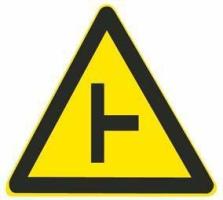
A. Y-shaped intersection
B. T-shaped intersection
C. Intersection
D. Ring intersection
Answer:B
4、When a motorcycle goes down a long slope, it should run at a lower gear and fully use the engine to brake.
A. Right
B. Wrong
Answer:A
5、What is the meaning of this sign?
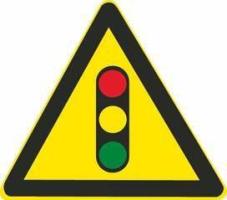
A. Crosswalk lights
B. Watch for pedestrians
C. Attention to traffic lights
D. Intersection
Answer:C
6、At a road that has more than two vehicle lanes in the same direction, the motorcycles should use the very left one.
A. Right
B. Wrong
Answer:B
7、When driving, besides paying attention to keeping a safe distance from the vehicle in front, drivers should also be prudent when braking so as to avoid a rear-end collision caused by a vehicle behind.
A. Right
B. Wrong
Answer:A
8、Whats the meaning of this sign?
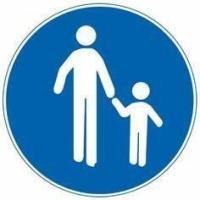
A. Pass with low speed
B. Watch for pedestrians
C. On foot
D. Pedestrians go first
Answer:C
9、When driving a motor vehicle following anther vehicle, What should the driver pay attention to?
A. When following a taxi, it is necessary to prevent it from pulling over at any time to get on and off passengers.
B. For large trucks loaded with goods, we should increase the distance between cars and avoid long time follow ups to prevent the risk of cargo spilling and blind areas.
C. When the current side of the vehicle has an internship sign, it should increase the distance with the vehicle to prevent the front vehicle emergency braking.
D. Follow a vehicle in foggy weather, pay attention to the emergency braking of the front vehicle
Answer:ABCD
10、What should be done by the driver who intends to overtake but finds that the vehicle in front is also overtaking?
A. Following the vehicle in front closely and finding a chance to overtake it
B. Accelerating to overtake forcefully
C. Continuously sounding the horn to urge the vehicle in front to yield
D. Refraining from overtaking and letting the vehicle in front overtake first
Answer:D
11、What is the meaning of this sign?
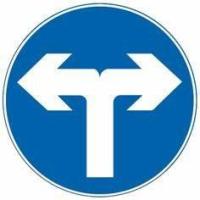
A. No left turn
B. Leftt and right turn
C. No leftt and right turn
D. No right turn
Answer:B
12、When a motorcycle reaches a muddy or burst-and-muddy section, the driver should stop, observe and select the level and solid section or the section with vehicle tracks.
A. Right
B. Wrong
Answer:A
13、A driver should accelerate in advance to overtake then it is likely to meet with oncoming vehicles.
A. Right
B. Wrong
Answer:B
14、When rescuing a wounded person in an emergency, it is necessary to firstly stop the bleeding by compression before other methods are taken according to the conditions of bleeding.
A. Right
B. Wrong
Answer:A
15、When use the brake of a motorcycle, use the front-wheel brake first, then use the back-wheel brake.
A. Right
B. Wrong
Answer:B
16、What is the meaning of this sign?
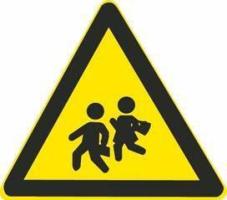
A. School area
B. Watch for children
C. Crosswalk
D. Watch for pedestrians
Answer:B
17、What is the meaning of this sign?
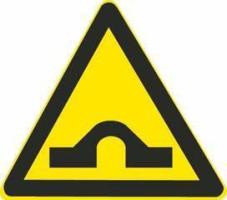
A. Hump bridge
B. High outburst road
C. Low-lying road
D. Bump road
Answer:A
18、Whats the meaning of the white horizontal solid line in the circle?
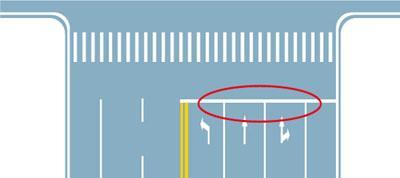
A. Turning waiting line
B. Deceleration line
C. Yielding line
D. Stop line
Answer:D
19、When a wounded person is under the wheel or cargo, the wrong method is to pull the limbs of the wounded.
A. Right
B. Wrong
Answer:B
20、Drivers who ride motorcycles are able to not wear safety helmets.
A. Right
B. Wrong
Answer:B