运城驾驶证英文对照
1、When a vehicle starts up, the driver should observe the traffic conditions and begin to start up after making sure it is safe to do so.
A. Right
B. Wrong
Answer:A
2、Whats the meaning of this sign?
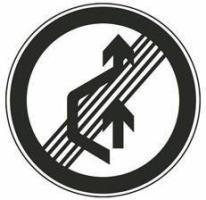
A. overtaking ban is lifted
B. changing lane is allowed
C. changing lane ban is lifted
D. borrowing lane ban is lifted
Answer:A
3、Whats the meaning of this sign?
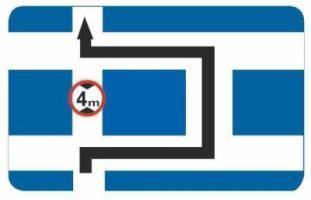
A. no left turn
B. dead-end road
C. no passing
D. bypass if overheight
Answer:D
4、When a tire blows out suddenly on the road, the driver should refrain from violently depressing the brake pedal in panic. Instead, he should try his best to shift the gear to a low position and use the engine braking to reduce the speed of the vehicle.
A. Right
B. Wrong
Answer:A
5、The act of this small passenger vehicle to enter the expressway lane is correct.
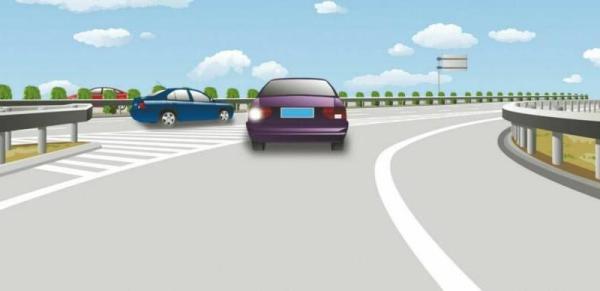
A. Right
B. Wrong
Answer:B
6、Driving a motorized vehicle on the road in violation of road traffic regulations shall be subject to relevant punishment.
A. Right
B. Wrong
Answer:A
7、How to pass when encountering this situation at the intersection?
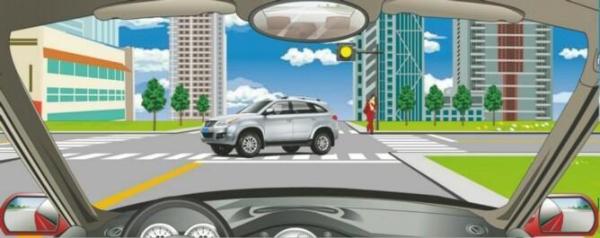
A. make sure it is safe to pass
B. turn right and speed up to pass
C. speed up and pass straight
D. turn left and speed up to pass
Answer:A
8、Whats the meaning of this sign?
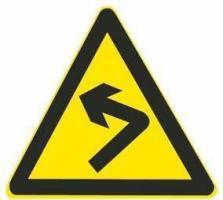
A. bypass from left side
B. continuous curves
C. sharp left curve
D. sharp right curve
Answer:C
9、It lights to indicate that ______
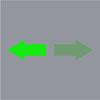
A. left-turn signal flashes
B. front and rear width lights light on
C. front and rear width lights light on
D. right-turn signal flashes
Answer:A
10、The safety pillow is used to protect the driver??s head when there is a rear-end collision.
A. Right
B. Wrong
Answer:B
11、Traffic Police can detain the vehicle according to law if it is suspected of using the label of insurance from other vehicle.
A. Right
B. Wrong
Answer:A
12、It lights when turning on the rear fog light.

A. Right
B. Wrong
Answer:B
13、A motorized vehicle driver who reverses, drives in the opposite direction or make a U turn by crossing the central dividing strip on the expressway is subject to a 6-point penalty.
A. Right
B. Wrong
Answer:B
14、Whats the meaning of this sign?

A. no going straight and no changing to left lane
B. no going straight and no left turn
C. allowed to go straight and change to left lane
D. no going straight and no right turn
Answer:D
15、If the license plate of a motorized vehicle has been destroyed, the owner of the vehicle should apply for reissuing or changing to the vehicle management station at the registration place.
A. Right
B. Wrong
Answer:A
16、When causing a road accident involving property damage, the parties to the accident may leave the scene if they have no dispute over the fact and cause.
A. Right
B. Wrong
Answer:A
17、It lights to indicate that ______

A. not buckled up
B. safety belt malfunction
C. the safety belts are too loose
D. buckled up already
Answer:A
18、Whitch kind of vehicle is prohibited from passing by this sign?
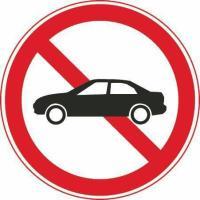
A. all kinds
B. small bus
C. midsize bus
D. small truck
Answer:B
19、How to use lights when pulling over on road?
A. turn on the hazard lights
B. turn on the right-turn signal in advance
C. use the high and low beam lights alternately
D. not need to use any light to indicate
Answer:B
20、Whats the meaning of this sign?
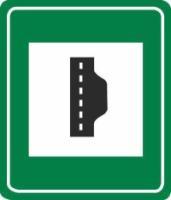
A. expressway emergency strip
B. expressway yielding area
C. expressway bus station
D. expressway parking area
Answer:A