通辽英文科目四题库
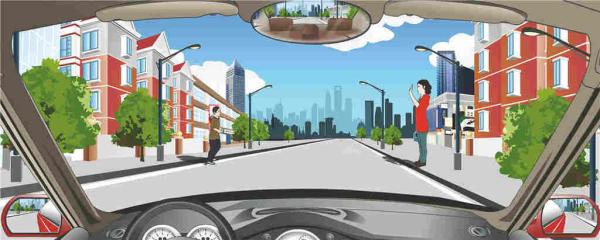
1、What should the driver do when seeing these hand signals?
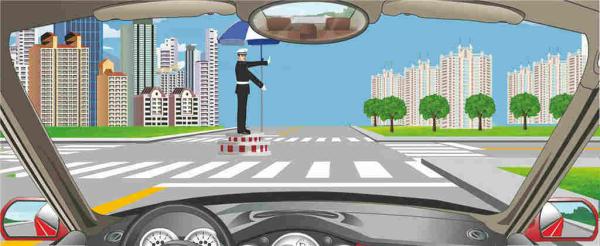
A. Go straight and pass through the intersection
B. Pull over
C. Drive to the waiting area for turning left
D. Turn right at the intersection
Answer:D
2、What should the driver do in this situation?
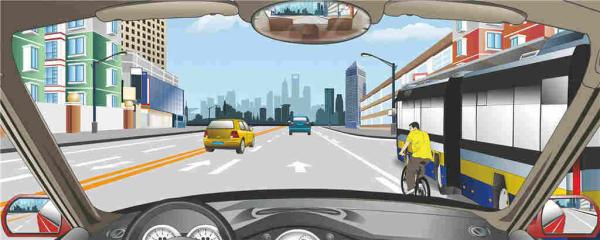
A. Speed up and overtake from the left side
B. Sound the horn continuously to warn the bicycle
C. Follow the bicycle closely
D. Slow down and yield to the bicycle
Answer:D
3、The guide line of a changeable lane indicates that drivers can choose their direction at will.
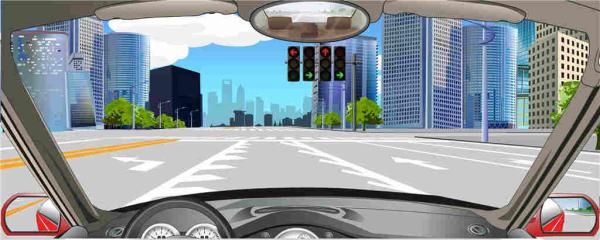
A. Right
B. Wrong
Answer:B
4、The sign on the right indicates that the number of the lanes ahead will increase.
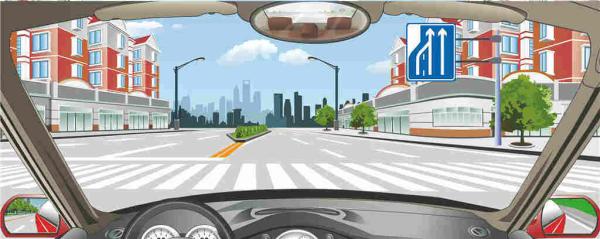
A. Right
B. Wrong
Answer:B
5、Before a motor vehicle enters a tunnel, the driver should adjust the speed in accordance with the indication of the traffic sign at the entrance of the tunnel.

A. Right
B. Wrong
Answer:A
6、Under such circumstances, what should motor vehicle drivers do?
A. Guard against the sideslip of motor vehicles
B. Guard against the crossing of pedestrians
C. Speed up and pass through as quickly as possible
D. Continuously sound the horn
Answer:B
7、Which is the wrong measure to avoid tire burst?
A. Reduce tire pressure
B. Check tires regularly
C. Remove foreign matters from the tire tread grooves timely
D. Replace tires that have cracks or deep cuts
Answer:A
8、The sign on the right indicates that vehicles from the primary road have priority.
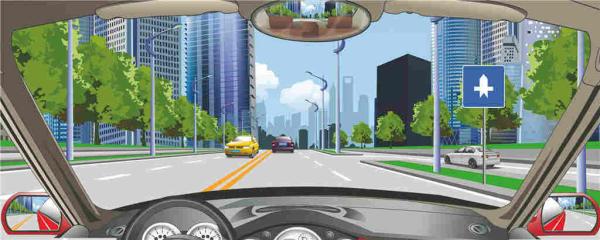
A. Right
B. Wrong
Answer:A
9、Which of the following is a bad driving habit when the vehicle in front is moving slowly in a queue?
A. Cutting in and rushing to pass
B. Not overtaking other vehicles forcefully
C. Stop or pass alternatively
D. Do not occupy on a non-motor vehicle lane
Answer:A
10、What is the best way to make turns on this kind of curving mountain road?
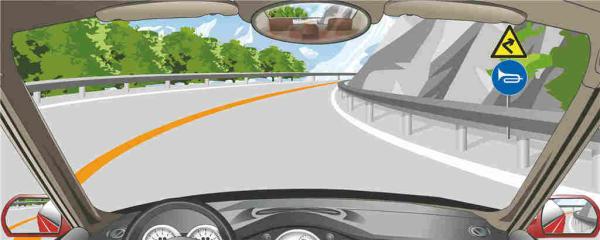
A. Drive along the outer side of the curve
B. Slow down, sound the horn and drive on the right
C. Borrow the opposite lane
D. Drive along the central line of the road
Answer:B
11、When a fast-moving vehicle is likely to collide with the vehicle in front, what should the driver do?
A. Brake to reduce speed first, and then steer to evade
B. Turn the steering wheel quickly to the left side to evade
C. Turn the steering wheel quickly to the right side to evade
D. Steer to evade first, and then brake to reduce speed
Answer:A
12、How should motor vehicle drivers make a U-turn at the intersection ahead?
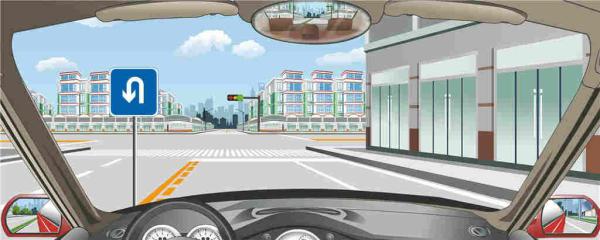
A. Make a U-turn in the waiting area for turning left
B. Make a U-turn at the broken line area of the Intersection
C. Wait until the left-turn indicator is on
D. Wait until the straight-going signal is on
Answer:B
13、When encountering this situation in a residential area the driver should speed up and pass in front of the bicycle.
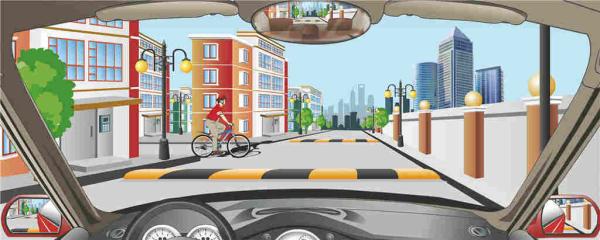
A. Right
B. Wrong
Answer:B
14、Under this circumstance, motor vehicle drivers should give the right of way to oncoming vehicle.

A. Right
B. Wrong
Answer:A
15、What should the driver pay attention to when the motor vehicle passes a school?
A. Observe the traffic signs and markings
B. Slow down and pass slowly
C. Prohibited from sounding the horn
D. Pass rapidly
Answer:ABC
16、The road marker on the right side indicates that drivers may overtake by borrowing this road.
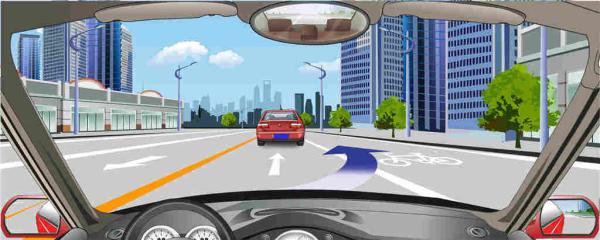
A. Right
B. Wrong
Answer:B
17、A correct measure to avoid tire burst of motor vehicles is to lower the tire pressure.
A. Right
B. Wrong
Answer:B
18、The sign on the right warns of low-lying road ahead.

A. Right
B. Wrong
Answer:A
19、Motor vehicle drivers don?ˉt need to use any lamp at night when passing through a road section where the street light condition is good.
A. Right
B. Wrong
Answer:B
20、When a motor vehicle stops temporarily in a rainy day,which lamp should be turned on?
A. Front and rear fog lamps
B. Hazard lamps
C. Headlamps
D. Reverse lamps
Answer:B