连云港英文驾考科目四资料
1、What should be done by the driver who intends to overtake but the motor vehicle in front neither reduces its speed nor allows the right of way?
A. Continuously sounding the horn and accelerating to overtake
B. Accelerating and continuing to overtake
C. Refraining from overtaking
D. Following the vehicle in front closely and finding a chance to overtake
Answer:C
2、How should a motor vehicle follow the other vehicle In front when driving on a road covered with ice and snow?
A. Keep a long safe distance
B. Turn on hazard lamp
C. Change between high-and-low beam alternatively
D. Sound the horn in due time to give a notice to the vehicle in front
Answer:A
3、The sign on the right indicates left turn only at the intersection ahead.
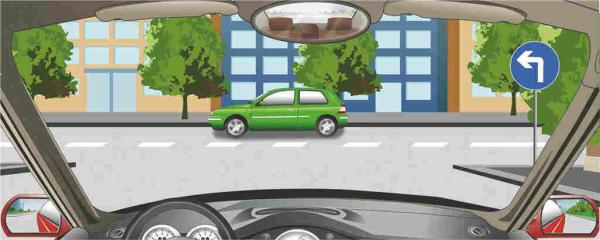
A. Right
B. Wrong
Answer:A
4、Motor vehicle drivers don?ˉt need to fasten their seatbelt
A. Right
B. Wrong
Answer:B
5、When encountering a road like this, motor vehicle drivers may make good use of neutral gear to coast.
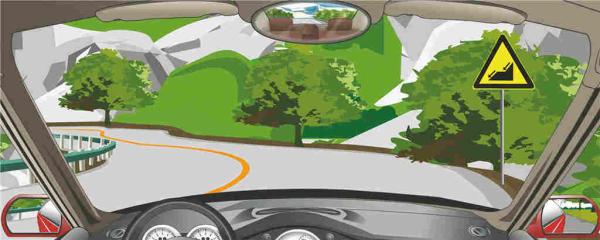
A. Right
B. Wrong
Answer:B
6、When driving on a muddy road, the driver should hold the steering wheel firmly and speed up to pass through.
A. Right
B. Wrong
Answer:B
7、Drivers are allowed to cross the broken and solid white line on the road when changing lanes or pulling over.
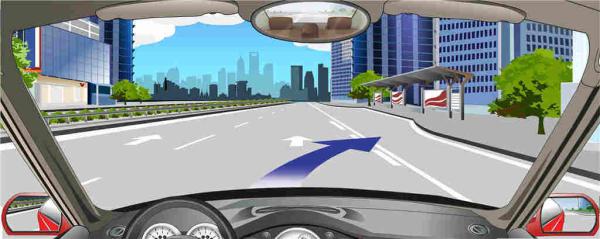
A. Right
B. Wrong
Answer:A
8、When seeing this sign, the driver should slow down promptly.
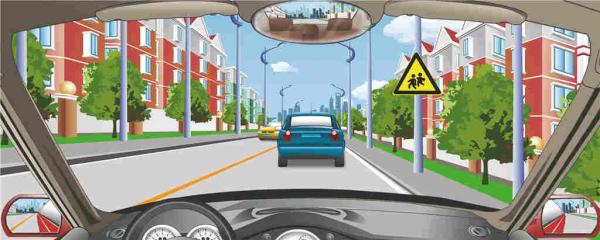
A. Right
B. Wrong
Answer:A
9、When there is no bandage for rescuing a wounded person, towels, handkerchiefs, bed sheets and stockings can all be used for dressing.
A. Right
B. Wrong
Answer:A
10、When a motor vehicle skids sideways on a muddy road, the driver should turn the steering wheel in the direction of the rear wheel skidding to properly adjust the direction.
A. Right
B. Wrong
Answer:A
11、The sign on the right warns of an abrupt slope section ahead.
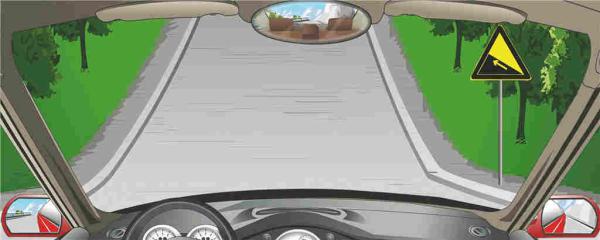
A. Right
B. Wrong
Answer:A
12、What is the most frequent problem for driving on a muddy road?
A. High resistance force
B. Sideways slide
C. The motor vehicle bumps
D. Steering failure
Answer:B
13、The sign on the left indicates vehicles are allowed to drive on the section ahead.
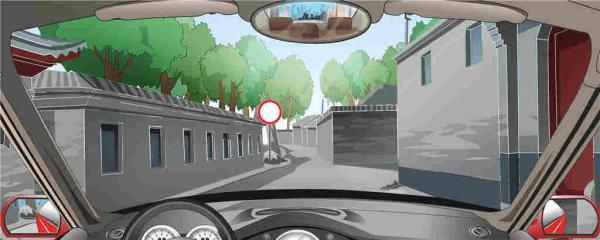
A. Right
B. Wrong
Answer:B
14、The sign on the right warns of a widened right-hand road ahead.
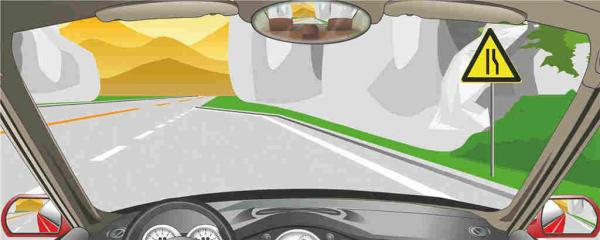
A. Right
B. Wrong
Answer:B
15、When overtaking on a rainy day, drivers should turn on headlamps and sound a long horn.
A. Right
B. Wrong
Answer:B
16、For evading an emergency on an expressway, which of the following principles should drivers stick to?
A. Evading vehicles first and objects later
B. Evading people first and objects later
C. Evading vehicles first and people later
D. Evading objects first and people later
Answer:B
17、When driving into the traffic flow on a main road from a relief road, drivers should speed up.
A. Right
B. Wrong
Answer:B
18、In this driving condition, drivers should turn on the high-beam when setting off.
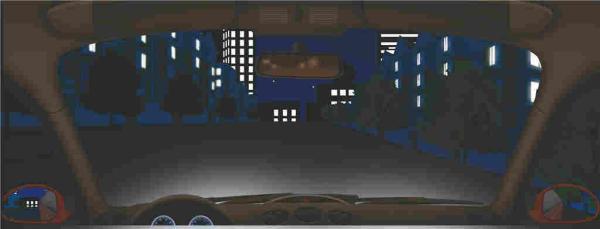
A. Right
B. Wrong
Answer:B
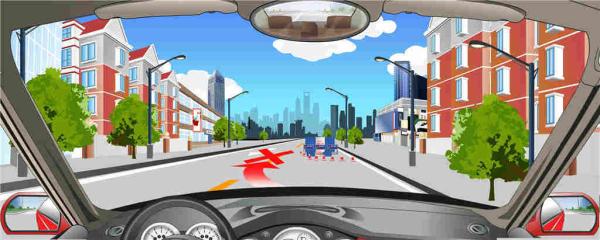
19、The broken yellow line in the center of the road indicates that bypassing by crossing the line is prohibited in any condition.
A. Right
B. Wrong
Answer:B
20、Turning on the high-beam is an effective way to improve visibility in fog weather.
A. Right
B. Wrong
Answer:B