四川2026驾照理论考试英语试题
1、Whats the meaning of this sign?
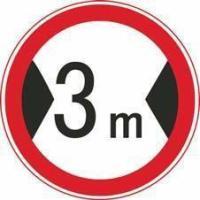
A. 3m width limit ahead
B. 3m width limit
C. the 3m width limit ban is lifted
D. 3m height limit
Answer:B
2、A driver should buckled up before the vehicle moves.
A. Right
B. Wrong
Answer:A
3、May not turn on the turn signal when overtaking.
A. Right
B. Wrong
Answer:B
4、Whats the meaning of this sign?
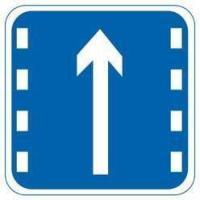
A. right-turn lane
B. U turn lane
C. left-turn lane
D. straight-going lane
Answer:D
5、How to use lights at this position?
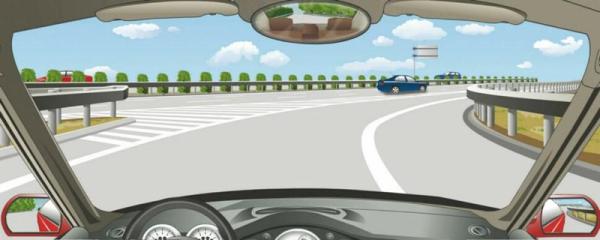
A. turn on the right-turn signal
B. turn on the left-turn signal
C. turn on the hazard lights
D. turn on the head lights
Answer:B
6、What is this manipulation device?
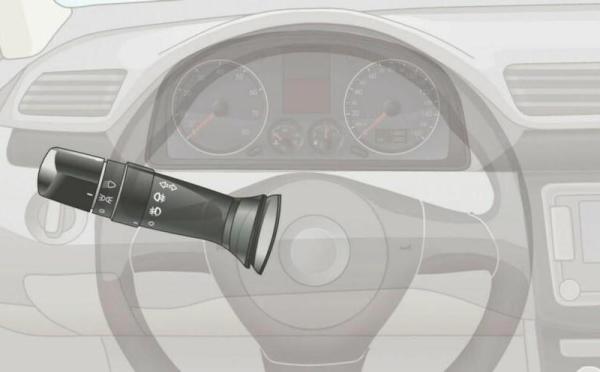
A. switch of reverse light
B. switch of wiper
C. switch of the hazard lights
D. combination switch of lights and signals
Answer:D
7、What does this sign mean?
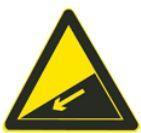
A. Reminding the side of a reservoir, lake or river ahead
B. Reminding the steep uphill road ahead
C. Reminding the steep downhill road ahead
D. Reminding continuous two or more up slopes ahead
Answer:C
8、The age should be 18 ~ 70 years old when applying for the driving license of small vehicle or three-wheeled automobile.
A. Right
B. Wrong
Answer:A
9、On which kind of city road a vehicle is not allowed to overtake?
A. main streets
B. one-way section
C. section with heavy traffic flow
D. two one-way lanes
Answer:C
10、How to do in this intersection?
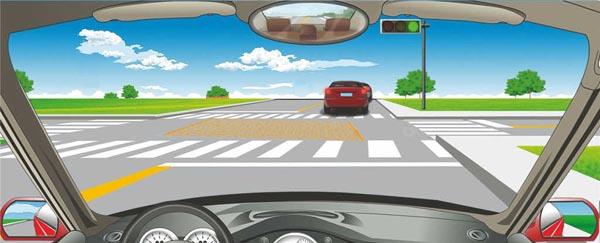
A. wait in the cross-hatched marking area
B. stop and wait outside the intersection
C. follow the vehicle in front and pass
D. wait inside the intersection
Answer:B
11、A person who falsifies, alters driving license or uses falsified, altered driving license, and if his act constitutes a crime, he should be held for criminal liabilities according to law.
A. Right
B. Wrong
Answer:A
12、As thick fog reduces visibility, turning on the high beam light can increase the visibility.
A. Right
B. Wrong
Answer:B
13、When causing a road accident involving property damage, the party should leave the scene on his own but he does not leave and causes a traffic jam, he may be subject to a fine of 200 yuan.
A. Right
B. Wrong
Answer:A
14、The main impact of mountain roads on safe driving is _______.
A. The traffic conditions are boring
B. The slopes are long, the curves are sharp and visibility range is shorter.
C. The traffic flow is heavy
D. The road signs are fewer
Answer:B
15、Driving on the expressway with full signs and marking, the driver should run in the lane and at the speed according to _________.
A. Signs and markings
B. Rules on road traffic safety
C. Vehicle manual
D. Local regulations
Answer:A
16、When encountering slow-moving vehicles at an intersection that has no traffic signals, the motorized vehicle should pass alternately.
A. Right
B. Wrong
Answer:A
17、The starter works when turning the ignition switch to the ACC position.
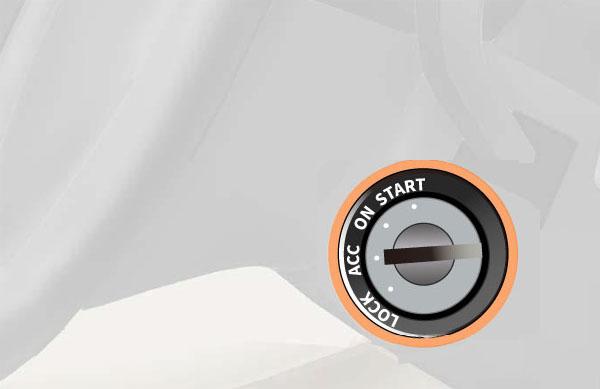
A. Right
B. Wrong
Answer:B
18、When a vehicle runs on a narrow mountain road, the driver should ______ if the party close to the mountain mass refuses to yield.
A. Honk to urge the other party to yield
B. Maintain the normal speed
C. Reduce speed or stop to yield
D. Use the left lane and pass with care
Answer:C
19、What device does the switch of this symbol control?
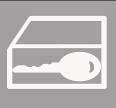
A. window glasses of both sides
B. electric door
C. door unlock
D. child safety lock
Answer:C
20、What is the max speed when in or out of the lane for non-motorized vehicles?
A. 40km/hr
B. 50km/hr
C. 60km/hr
D. 30km/hr
Answer:D