兴安国内c1驾照英语题库
1、The vehicle can not run straight or turn left in this situation.
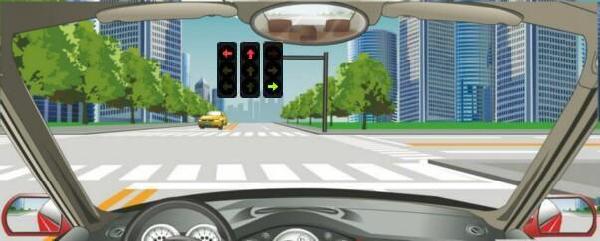
A. Right
B. Wrong
Answer:A
2、Whats the meaning of this sign?
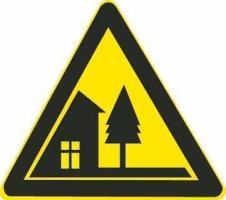
A. watch for pedestrians
B. crosswalk
C. village or town
D. primary school
Answer:C
3、If a motorized vehicle runs 50% faster than the specified speed limit, the driver is subject to a 3-point penalty.
A. Right
B. Wrong
Answer:B
4、The motorized vehicle driver is not allowed to drive a motorized vehicle when his driving license is detained.
A. Right
B. Wrong
Answer:A
5、Whats the meaning of the yellow solid line on the curbstone?
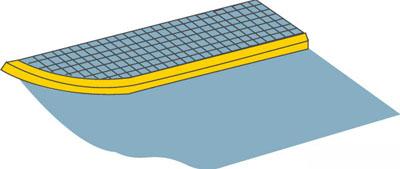
A. only for taking and dropping people
B. only for loading and unloading cargos
C. no long stopping
D. no parking
Answer:D
6、Traffic Police can detain the vehicle which is suspected of using other vehicles license plate and vehicle license.
A. Right
B. Wrong
Answer:A
7、How to do when encountering this situation of waiting in line?
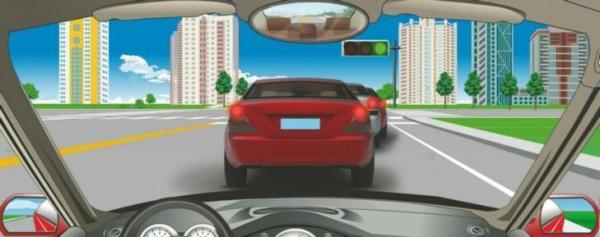
A. cross the solid line from left side to overtake
B. overtake from both sides as will
C. wait in line
D. borrow the lane from right side to overtake
Answer:C
8、Traffic signals include Traffic lights, Traffic signs and Command of the traffic police.
A. Right
B. Wrong
Answer:A
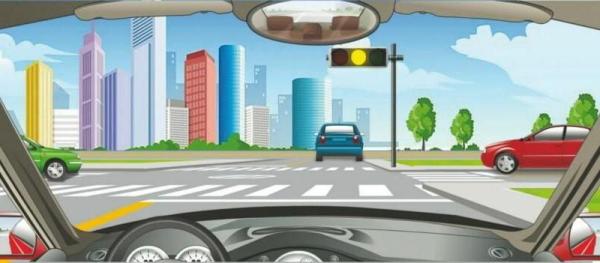
9、Speed up and pass when encountering this traffic light at the intersection
A. Right
B. Wrong
Answer:B
10、Which kind of vehicle can be applied for when initially applying for the driving license?
A. midsize bus
B. large bus
C. ordinary motor tricycle
D. trailer
Answer:C
11、It lights to indicate that ______

A. ABS system malfunction
B. handbrake is released
C. braking system malfunction
D. handbrake is pulled up
Answer:D
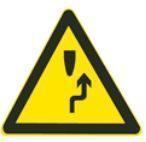
12、This sign indicates one-way section ahead.
A. Right
B. Wrong
Answer:B
13、It lights to indicate that the handbrake may not loose in the end.

A. Right
B. Wrong
Answer:B
14、When driving a vehicle on the road, the driver should drive safely at the prescribed speed.
A. Right
B. Wrong
Answer:A
15、If a motorized vehicle causes a traffic accident on the road, the driver should immediately move the vehicle to the roadside.
A. Right
B. Wrong
Answer:B
16、Continuously using the foot brake on a long downhill road ________.
A. Can shorten the engines service life
B. Increases the drivers labor intensity
C. Can drastically reduce the braking efficiency due to the rising temperature of the brake
D. Can easily cause vehicle overturn
Answer:C
17、When encountering non-motorized vehicles intending to bypass a stopping vehicle, the driver should ________.
A. Honk to indicate them to yield
B. Yield to them
C. Speed up and bypass
D. Follow them closely and honk
Answer:B
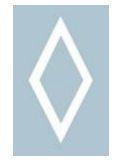
18、This sign indicates intersection ahead.
A. Right
B. Wrong
Answer:B
19、It lights to indicate that ______

A. engine compartment is opened
B. cover of fuel tank is opened
C. doors of both sides are opened
D. luggage compartment is opened
Answer:C
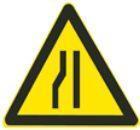
20、This sign reminds the lane or the road narrows on the left side ahead.
A. Right
B. Wrong
Answer:A