肇庆摩托车科目四题库英文
1、Which of the following is an inflammable solid material?
A. Matches
B. Fireworks
C. Calcium carbide
D. Explosives
Answer:A
2、When driving, the driver should yield to _______.
A. Ambulance
B. Fire engine
C. School bus
D. Police car
Answer:ABCD
3、What is the meaning of this sign?
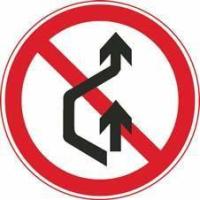
A. No borrowing lane
B. No changing lane
C. No overtaking
D. No U turn
Answer:C
4、What is the meaning of this sign?
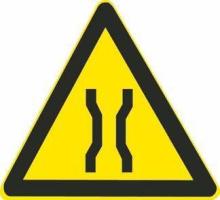
A. Road narrows on the left side
B. Narrow bridge
C. Narrow road
D. Road narrows on the right side
Answer:B
5、When following other vehicles on the uphill section of a mountain road, what should the driver do if the vehicle in front stops?
A. Overtake from either side of the front vehicle
B. Stop close to the vehicle in front
C. Stop with a larger space from the vehicle in front
D. Sound the horn continuously to warn the other driver
Answer:C
6、The motor vehicle should speed up and pass rapidly under this situation.
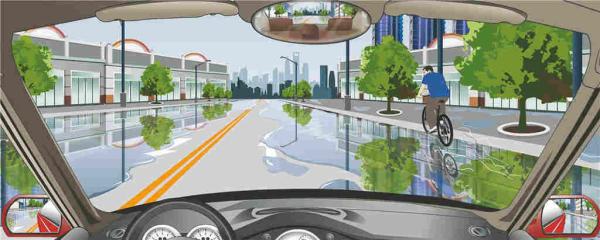
A. Right
B. Wrong
Answer:B
7、While driving a motorcycle, nothing is permitted to hang on the handlebars.
A. Right
B. Wrong
Answer:A
8、When driving, besides paying attention to keeping a safe distance from the vehicle in front, drivers should also be prudent when braking so as to avoid a rear-end collision caused by a vehicle behind.
A. Right
B. Wrong
Answer:A
9、It is illegal to change lanes without turning on indicators.
A. Right
B. Wrong
Answer:A
10、When running in a high speed, if only use the front brake, the driver can be easily thrown out due to the inertia.
A. Right
B. Wrong
Answer:A
11、What is the meaning of this sign?

A. Slippery section
B. Sharp curve
C. Inverse curve
D. Continuous curves
Answer:C
12、When a fast-moving vehicle encounters an emergency the driver should turn to evade first and then brake to slow down so as to mitigate the damage.
A. Right
B. Wrong
Answer:B
13、What should be done by the driver who intends to overtake but finds that the vehicle in front is also overtaking?
A. Following the vehicle in front closely and finding a chance to overtake it
B. Accelerating to overtake forcefully
C. Continuously sounding the horn to urge the vehicle in front to yield
D. Refraining from overtaking and letting the vehicle in front overtake first
Answer:D
14、What should the motor vehicle driver do when the motor vehicle encounters the crosswalk in thissituation?
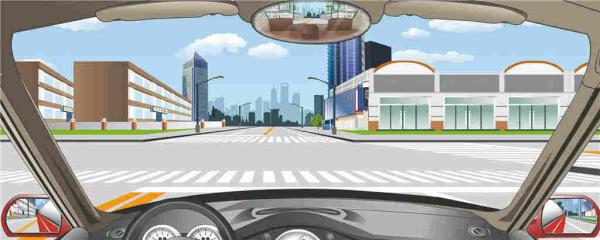
A. Slow down and pass
B. Speed up and pass
C. Sound the horn and pass
D. Stop immediately
Answer:A
15、What is the meaning of this sign?
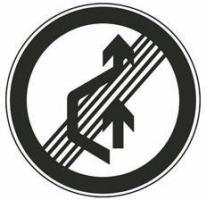
A. Overtaking ban is lifted
B. Changing lane is allowed
C. Changing lane ban is lifted
D. Borrowing lane ban is lifted
Answer:A
16、It is extremely unsafe to take a motorcycle by the side; if the motorcycle sideslips, the passenger may be thrown out and led to death due to an unstable center of gravity.
A. Right
B. Wrong
Answer:A
17、What is the meaning of this sign?
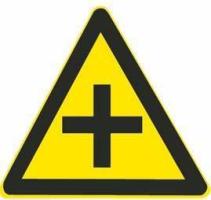
A. Intersection
B. Ring intersection
C. T-shaped intersection
D. Y-shaped intersection
Answer:A
18、Speed up and pass when encountering this traffic light at the intersection
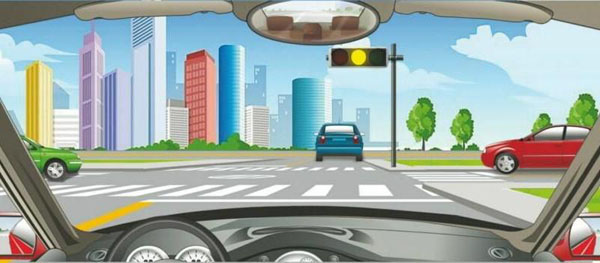
A. Right
B. Wrong
Answer:B
19、What marking is the road mark?
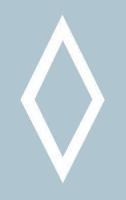
A. Crosswalk ahead
B. Intersection ahead
C. Reduce speed and yield ahead
D. Stop to yield ahead
Answer:A
20、When the driver discovers a tire is leaking and steers the vehicle off the main carriageway, he should refrain from applying emergency so as to avoid a vehicle turnover or a rear-end collision arising from the late braking of the following vehicle.
A. Right
B. Wrong
Answer:A