揭阳科目四英文题
1、Motor vehicles are permitted to follow the guidance of the arrow in this picture and enter the lane of an expressway.
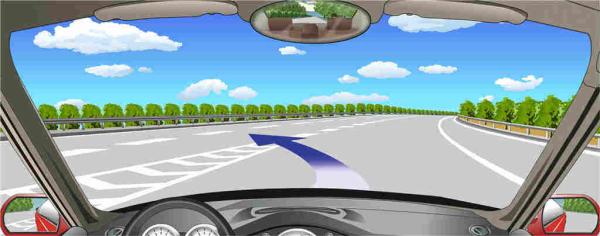
A. Right
B. Wrong
Answer:B
2、At this intersection, motor vehicle drivers may directly make a U-turn along the U-turn turning lane.
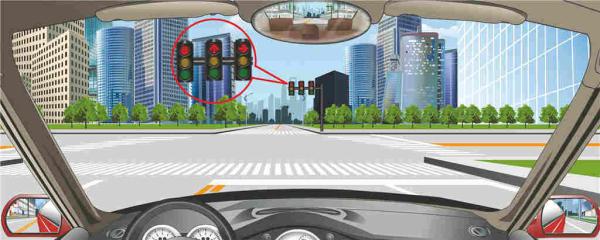
A. Right
B. Wrong
Answer:B
3、The driver should pay attention to the left side when the motor vehicle passes this intersection.
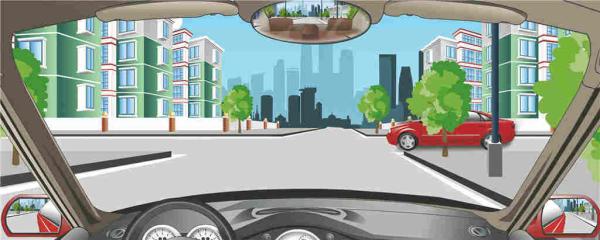
A. Right
B. Wrong
Answer:B
4、How many kinds of law-breaking acts are displayed in flash 8?
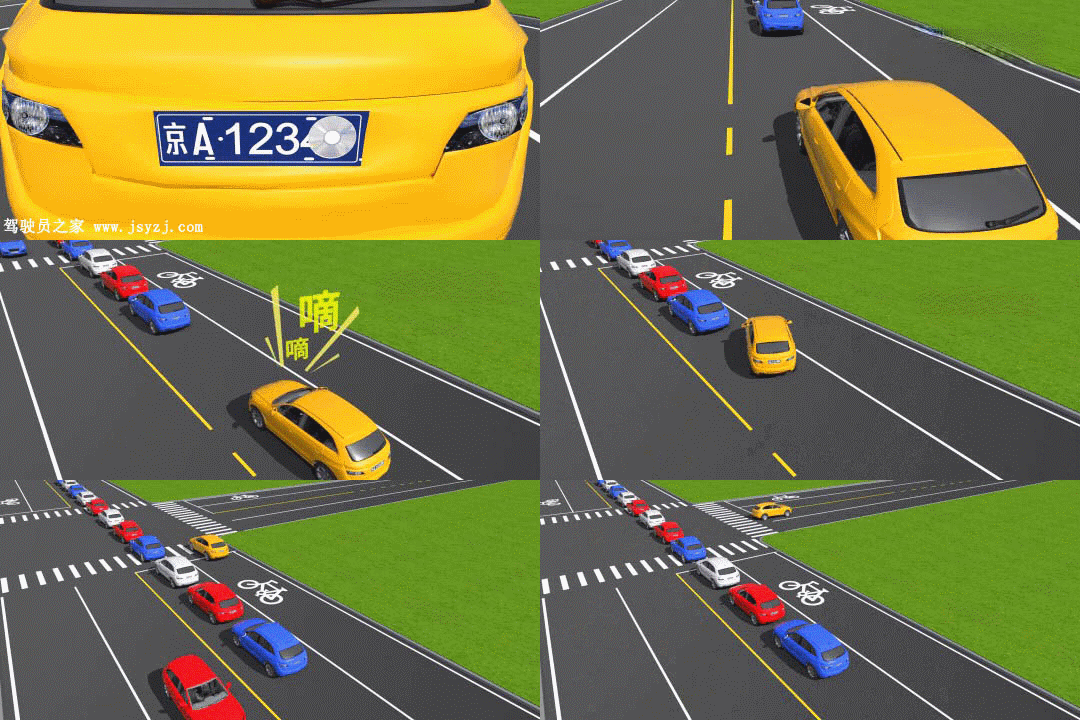
A. One
B. Two
C. Three
D. Four
Answer:B
5、Rescue personnel should check the breath of the unconscious person before applying any other emergency treatment.
A. Right
B. Wrong
Answer:A
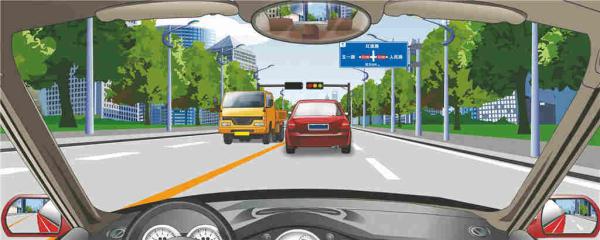
6、The sign in front indicates the allocation of roads ahead.
A. Right
B. Wrong
Answer:B
7、When driving in rain or snow, the driver should turn left to stabilize the vehicle if the motor vehicle slides to the right side.
A. Right
B. Wrong
Answer:B
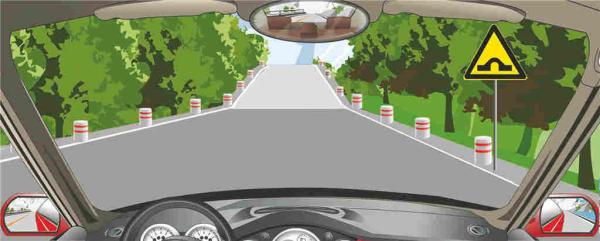
8、The sign on the right warns of a bumpy road ahead.
A. Right
B. Wrong
Answer:B
9、The sign on the right warns that there are vehicles converging into the intersection on the right.

A. Right
B. Wrong
Answer:A
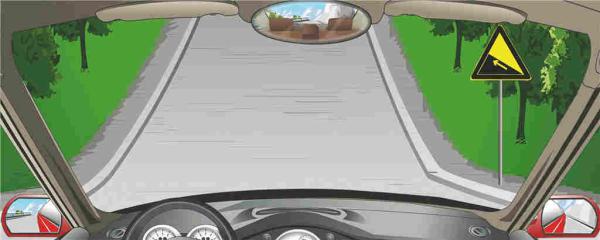
10、The sign on the right warns of an abrupt slope section ahead.
A. Right
B. Wrong
Answer:A
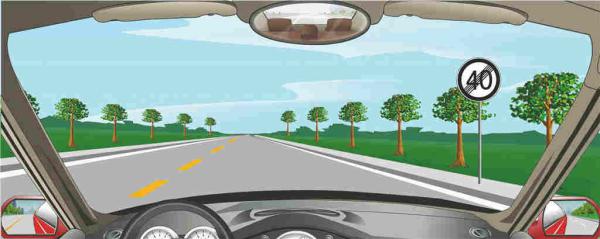
11、The sign on the right indicates that the speed limit of 40km/hour is lifted on the road ahead.
A. Right
B. Wrong
Answer:A
12、The sign on the right warns of entering a tunnel, and requires reduced speed.
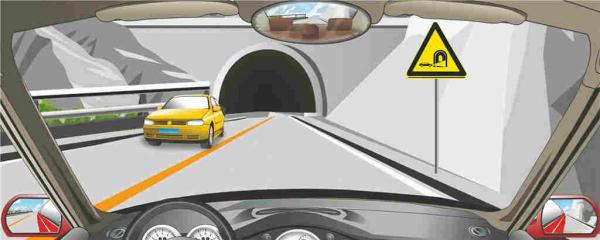
A. Right
B. Wrong
Answer:B
13、After a tire bursts and before the driver can control the speed of the vehicle, he should not risk using the foot brake to stop the vehicle. Otherwise, a horizontal swing of the vehicle can cause greater danger.
A. Right
B. Wrong
Answer:A
14、How to run when encountering this situation at the intersection?
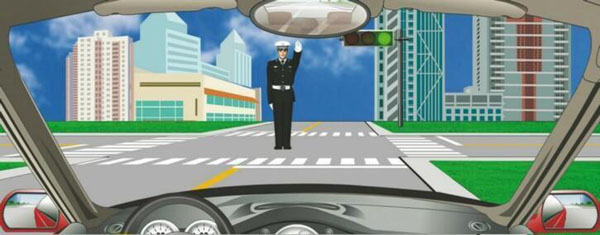
A. stop and wait
B. obey the traffic lights
C. run straight on the right side
D. may turn right
Answer:A
15、When extinguishing fire, the synthetic-made garments should not be taken off in order to protect the exposed skin from burning.
A. Right
B. Wrong
Answer:B
16、When such circumstances happen suddenly, what should the driver do?

A. Reduce speed or stop to yield
B. Bypass in front of the pedestrians
C. Continuously sound the horn to alert the pedestrians
D. Bypass from behind the pedestrians
Answer:A
17、When finding a tire suddenly burst on the road, the driver should firmly hold the steering wheel with both hands to ensure the vehicle goes straight.
A. Right
B. Wrong
Answer:A
18、As shown in the flash, the actions of the driver are correct.
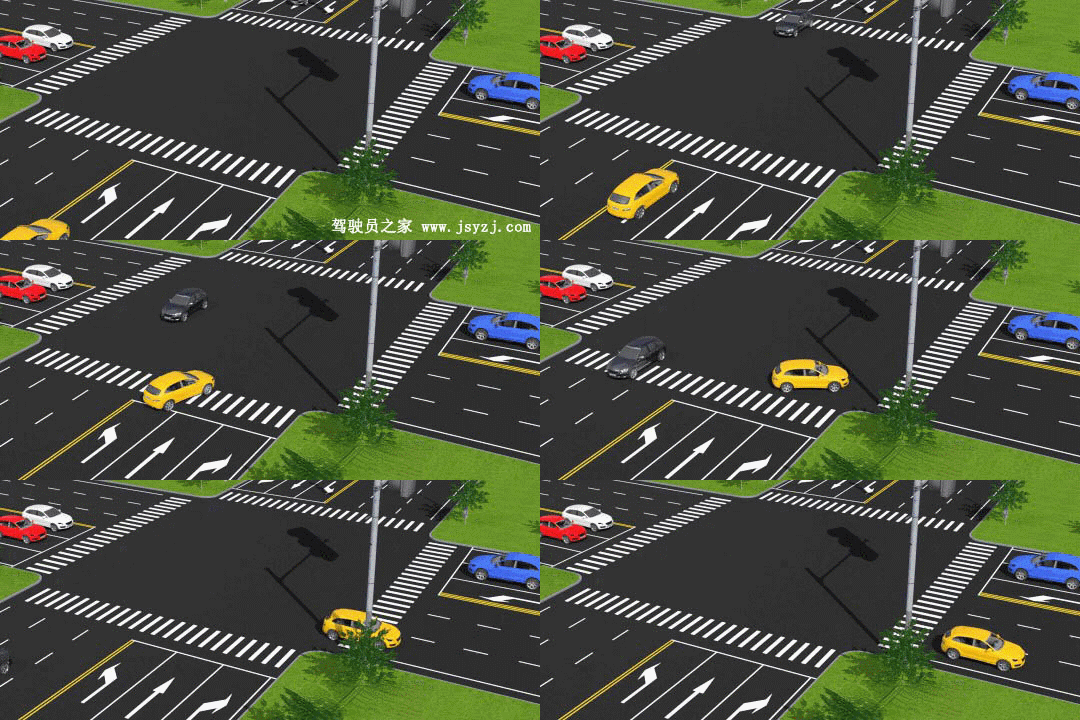
A. Right
B. Wrong
Answer:B
19、When entering an expressway ramp, which of the following statements is correct?
A. Drivers are allowed to overtake other vehicles
B. Drivers are prohibited from making U-turns
C. Drivers are allowed to stop
D. Drivers are allowed to reverse
Answer:B
20、Which one of the following measures is correct when a motor vehicle encounters this situation at night?
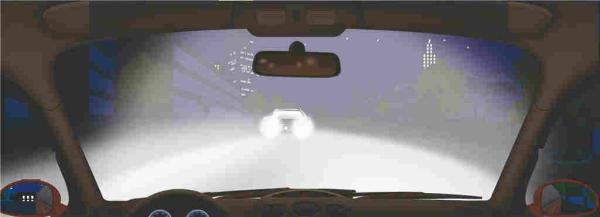
A. Keep driving at a normal speed
B. Drive at an increased speed to avoid light
C. Cut speed or stop to yield
D. Turn on high-beam to reject
Answer:C