内蒙古英文驾考科目四
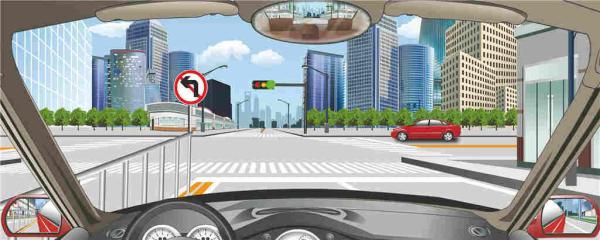
1、Motor vehicle drivers are allowed to make a U-turn at this intersection.
A. Right
B. Wrong
Answer:B
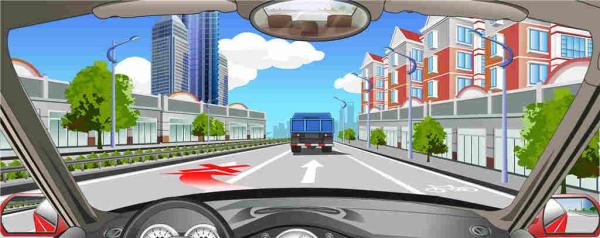
2、Drivers are not allowed to cross these lane-dividing lines when overtaking in the same direction.
A. Right
B. Wrong
Answer:A
3、When the driver discovers a tire is leaking and steers the vehicle off the main driving lane, he/she should refrain from applying emergency braking so as to avoid a vehicle turnover or a rear-end collision arising from the late braking of the vehicle behind.
A. Right
B. Wrong
Answer:A
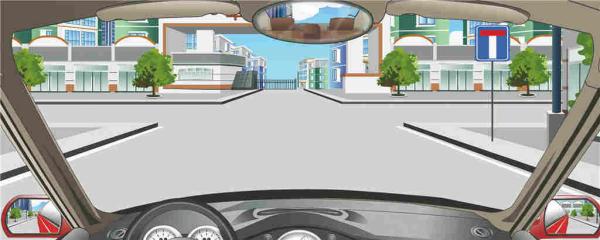
4、The sign on the right indicates a T-shaped intersection head.
A. Right
B. Wrong
Answer:B
5、During normal driving, the driver should do his best to run close to or on the central line so as not to allow oncoming vehicles any opportunity to occupy his own route.
A. Right
B. Wrong
Answer:B
6、When parking temporarily in this situation, motor vehicle drivers are allowed to turn the steering wheel left to avoid sliding.

A. Right
B. Wrong
Answer:A
7、If a motor vehicle misses an exit on the expressway, the driver may reverse along the road shoulder.
A. Right
B. Wrong
Answer:B
8、A motor vehicle may stop and yield if it encounters any problem when changing to the driving lane from an acceleration lane.
A. Right
B. Wrong
Answer:B
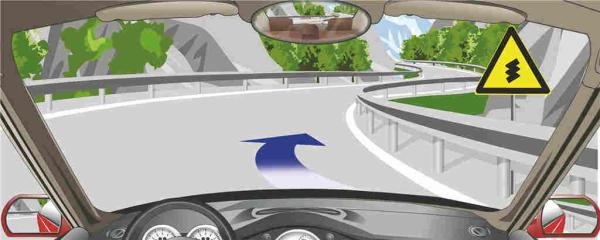
9、When passing this mountainous road, motor vehicle drivers should drive along the center of the road.
A. Right
B. Wrong
Answer:B
10、In the condition of low visibility, drivers should turn on the low-beam when setting off
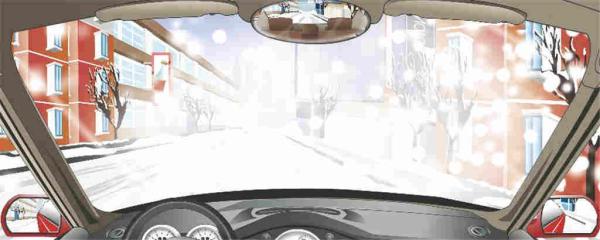
A. Right
B. Wrong
Answer:A
11、What should the driver do if he wants to turn right at this intersection?
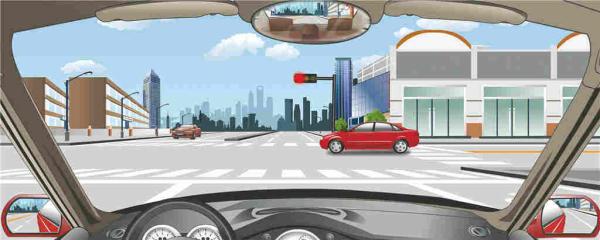
A. Turn right along the straight-going lane
B. Wait behind the stop line
C. Turn right along the right lane
D. Borrow the non-motor vehicle lane and turn right
Answer:C
12、Motor vehicle drivers may reverse at an intersection.
A. Right
B. Wrong
Answer:B
13、When making a turn on a mountainous road, drivers should cut speed, sound the horn and drive along the right side.
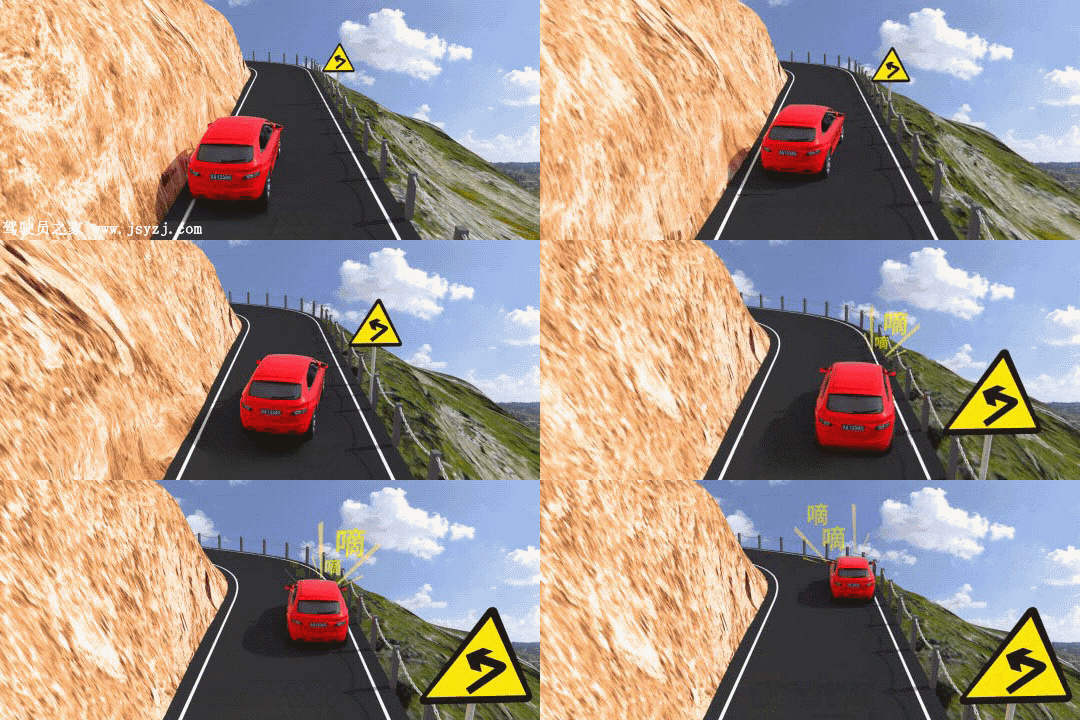
A. Right
B. Wrong
Answer:A
14、When encountering this situation, which of the following is the correct way to overtake other vehicles?
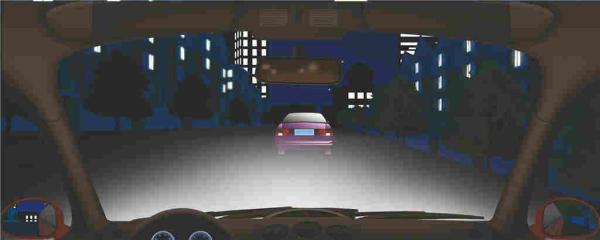
A. Turn on high-beam
B. Use high-beam and low-beam alternatively
C. Turn on low-beam
D. Turning on hazard lamp
Answer:B
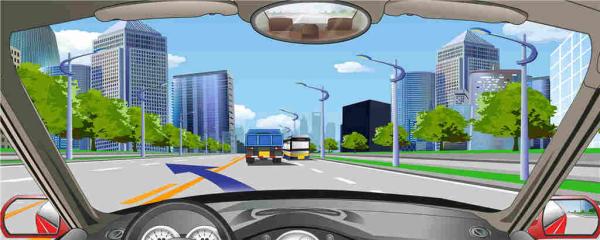
15、Drivers may cross these central solid and broken yellow lines when overtaking.
A. Right
B. Wrong
Answer:B
16、What should the driver do to follow other motor vehicles on a mountain road?
A. Closely follow the vehicle in front
B. Increase the safety distance
C. Reduce the vertical distance between vehicles
D. Try to overtake the vehicle in front as soon as possible
Answer:B
17、When finding a tire burst on the road, the driver should use emergency braking while controlling the direction of the vehicle at the same time to stop the vehicle quickly.
A. Right
B. Wrong
Answer:B
18、When following other vehicles on the uphill section of a mountain road, what should the driver do if the vehicle in front stops?
A. Overtake from either side of the front vehicle
B. Stop close to the vehicle in front
C. Stop with a larger space from the vehicle in front
D. Sound the horn continuously to warn the other driver
Answer:C
19、The guide arrow on the road surface of this lane indicates that U-turns and left turns are permitted at the intersection ahead.

A. Right
B. Wrong
Answer:A
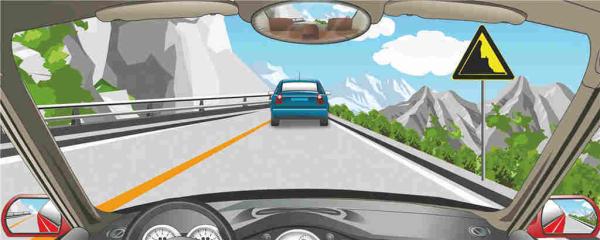
20、The sign on the right warns of a dangerous mountainside road ahead.
A. Right
B. Wrong
Answer:A