来宾学车英语
1、It lights to indicate that the handbrake may not loose in the end.

A. Right
B. Wrong
Answer:B
2、Before the motorized vehicle runs on the road, the driver should check the safety and technical performance of the vehicle.
A. Right
B. Wrong
Answer:A
3、Which kind of vehicle can be initially applied for when one reaches 20 years old?
A. large truck
B. large bus
C. midsize bus
D. trailer
Answer:A
4、Whats the meaning of this sign?

A. a manned level crossing 50m ahead
B. an unmanned level crossing 100m ahead
C. a manned level crossing 100m ahead
D. an unmanned level crossing 50m ahead
Answer:B
5、The rear windshield defroster starts to work after pressing this switch.

A. Right
B. Wrong
Answer:B
6、What is the Minimum speed on this expressway?
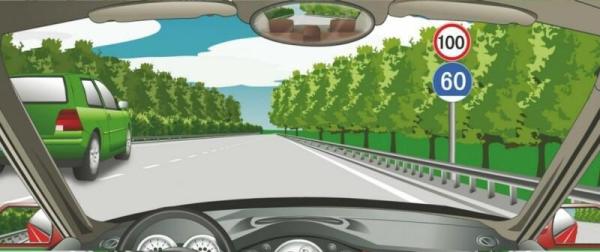
A. 100km/hr
B. 80km/hr
C. 60km/hr
D. 50km/hr
Answer:C
7、Whats the meaning of this sign?
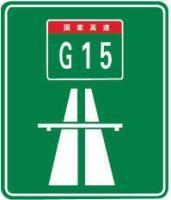
A. expressway exit
B. expressway beginning
C. expressway entry
D. expressway ending
Answer:B
8、This sign indicates jammed section ahead and passing slowly.
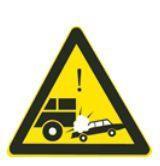
A. Right
B. Wrong
Answer:B
9、Whats the meaning of this sign?
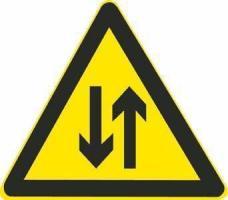
A. reduce speed and yield
B. variable lane
C. separated road
D. two-way traffic
Answer:D
10、It lights to indicate that ______

A. air internal circulation
B. air external circulation
C. the front fan works
D. windscreen defroster
Answer:B
11、When overtaking, the driver should ________ if the vehicle in front refuses to reduce speed or yield.
A. Follow closely and find chance to overtake again
B. Stop overtaking
C. Speed up and continue to overtake
D. Continuously honk and speed up to overtake
Answer:B
12、What marking is the yellow road surface in the center of the intersection?
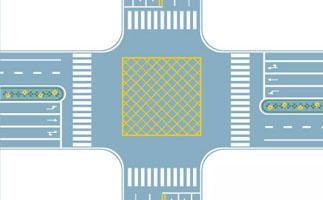
A. central circle
B. guide line
C. cross-hatched marking
D. parking area
Answer:C
13、This motorized vehicle parked on the roadside has no illegal act.
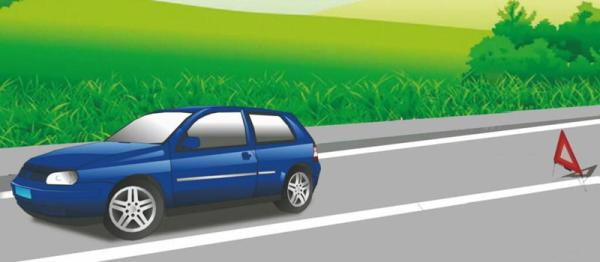
A. Right
B. Wrong
Answer:B
14、Whats the meaning of this sign?
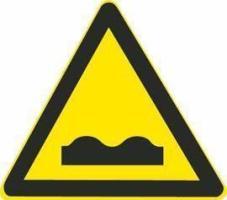
A. low-lying road
B. hump bridge
C. bump road
D. high outburst road
Answer:C
15、A vehicle may stop on the ramp of an expressway.
A. Right
B. Wrong
Answer:B
16、No U turn at this section.

A. Right
B. Wrong
Answer:B
17、The driver who chases and races while driving on the road, and commits serious acts is subject to ______
A. a prison term of 6 months
B. a prison term of more than 1 year
C. a criminal restriction and a fine
D. a criminal detention and a fine
Answer:D
18、This sign indicates construction section ahead and bypassing from left or right side.
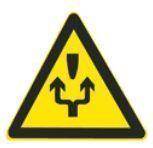
A. Right
B. Wrong
Answer:B
19、It lights to remind that engine coolant may be insufficient.

A. Right
B. Wrong
Answer:A
20、Whats the meaning of this sign?
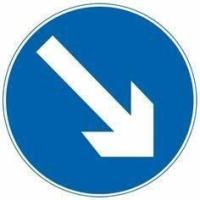
A. downhill section on right side
B. driving by the right side of the road
C. stopping by the right side of the road
D. right turn only
Answer:B