哈密英语科目四
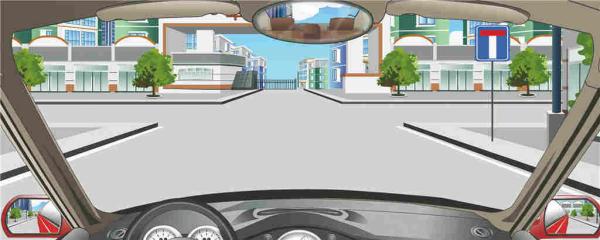
1、The sign on the right indicates a T-shaped intersection head.
A. Right
B. Wrong
Answer:B
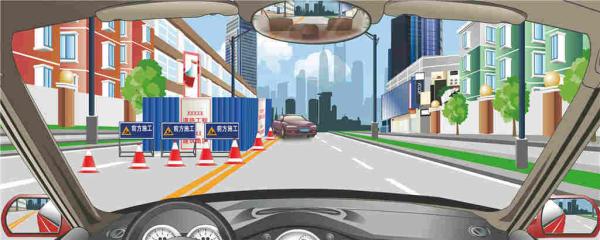
2、Under this circumstance, motor vehicle drivers should not reduce speed.
A. Right
B. Wrong
Answer:B
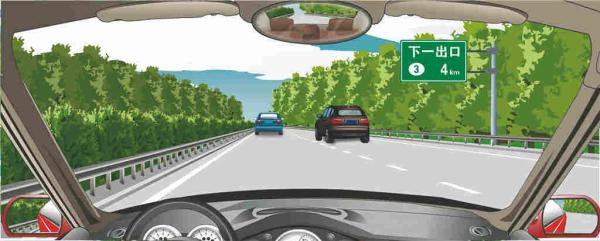
3、The sign in front indicates a 4-kilometer distance from the next exit.
A. Right
B. Wrong
Answer:A
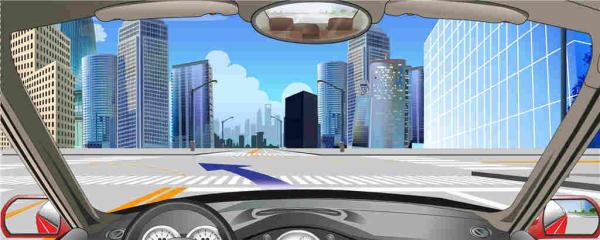
4、As shown in this picture, the intersection guide line is designed to help drivers make turns.
A. Right
B. Wrong
Answer:A
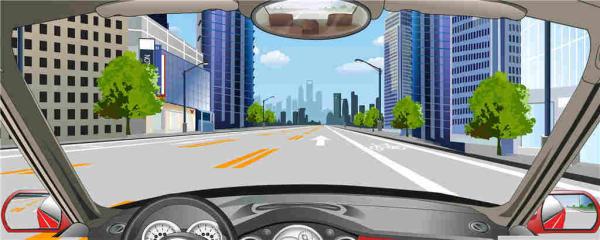
5、Two parallel broken double-yellow lines indicate the position of a diversion lane.
A. Right
B. Wrong
Answer:A
6、The sign on the right indicates notice by sounding the horn.

A. Right
B. Wrong
Answer:B
7、When passing an intersection, vehicle motor drivers are not allowed to overtake.
A. Right
B. Wrong
Answer:A
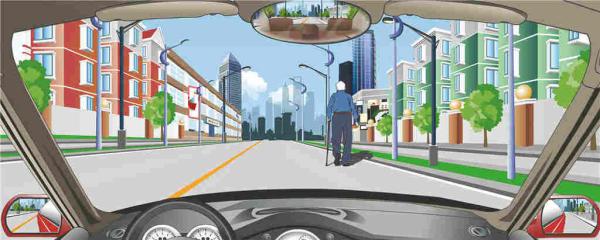
8、When encountering such pedestrians, motor vehicle drivers may continuously sound the horn to alert them to yield.
A. Right
B. Wrong
Answer:B
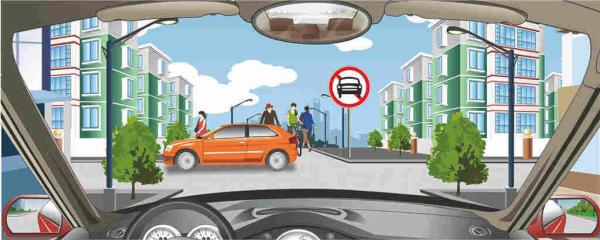
9、Which one of the following vehicle types is not allowed to pass, as indicated by the right-hand sign?
A. Large trucks
B. Large buses
C. Motor vehicles of all kinds
D. Small vans
Answer:C
10、When approaching motor vehicles ahead running at a normal speed on the highway, drivers behind may find a chance and weave through them swiftly.
A. Right
B. Wrong
Answer:B
11、What should motor vehicle drivers do under the circumstance shown in the flash?
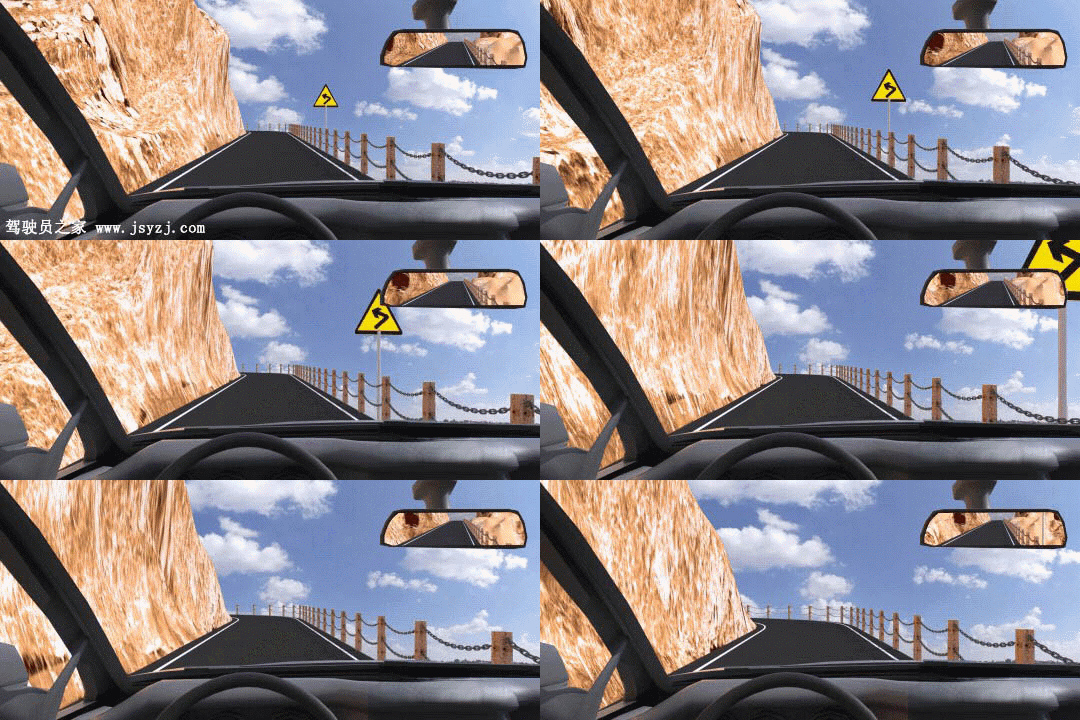
A. Drive by borrowing the opposite lane
B. Brake suddenly and pass through at a lower speed
C. Drive by the outer side of the curve
D. Reduce speed fully and drive by the right side
Answer:D
12、The sign in front indicates a one-kilometer distance from the next left exit.
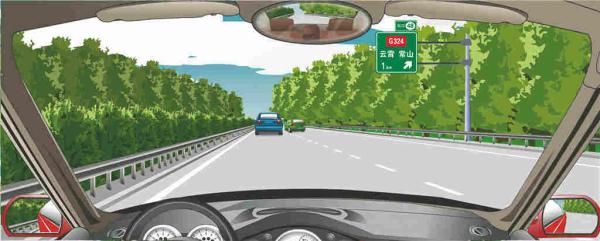
A. Right
B. Wrong
Answer:B
13、When a motor vehicle passes over an inundated road, what should the driver do for safe driving?
A. Slow down and drive with special care
B. Speed up and pass rapidly
C. Maintain a normal speed and pass through
D. Change to a low gear and speed up to pass
Answer:A
14、The motor vehicle equipped with ABS may sideslip during an emergency brake.
A. Right
B. Wrong
Answer:A
15、What is the emergency measure to deal with a sudden tire burst on the road?
A. Swiftly braking to slow down
B. Firmly hold the steering wheel and steadily stop the vehicle as early as possible
C. Swiftly turn the steering wheel to adjust the direction
D. Go ahead at a low speed and find a place for tire change
Answer:B
16、When a bus encounters an unexpected situation or an accident, the driver should do his best to minimize the loss and should never cause a secondary accident or even greater loss for the sake of avoiding danger.
A. Right
B. Wrong
Answer:A
17、The sign in front indicates a one-way lane after turning right.
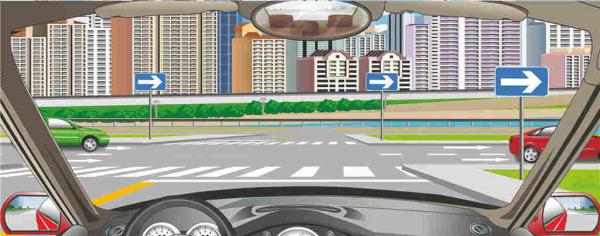
A. Right
B. Wrong
Answer:A
18、The driver should speed up to 40 kilometers per hour when he sees this traffic sign.
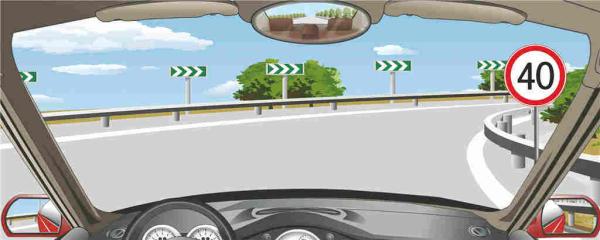
A. Right
B. Wrong
Answer:B
19、The yellow broken line on the curb indicates that vehicles are not allowed to stop and let passengers embark or disembark or load and unload freight at the roadside.
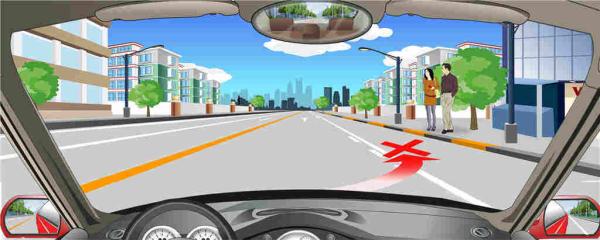
A. Right
B. Wrong
Answer:B
20、The sign on the right is an advance announcement of the highway destination.
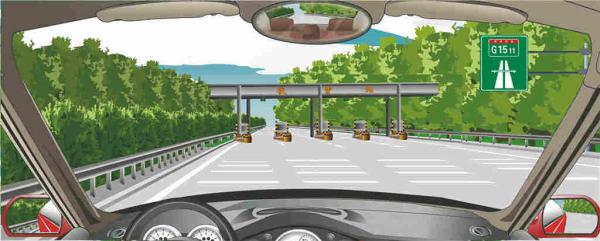
A. Right
B. Wrong
Answer:B