淮安摩托车驾照科目四考试英语试题
1、What should the driver do when the motor vehicle encounters this situation in front of a school?

A. Bypass before the queue
B. Slow down and pass slowl
C. Stop promptly and yield
D. Go through in the spaces between the queues
Answer:C
2、When following other vehicles on a foggy day, what should the driver do?
A. Maintain a large safety distance
B. Turn on the high-beam
C. Turn on the low-bea
D. Sound the horn in due time
Answer:A
3、When a motor vehicle encounters a burning phenomenon, it should leave the vehicle quickly so as not to cause injury or asphyxia to the respiratory tract.
A. Right
B. Wrong
Answer:A
4、When a vehicle stops temporarily at the roadside at night, the wrong measure is to ______.
A. Turn on the warning flash light
B. Turn on the contour light
C. Turn on the high beam light
D. Turn off all lights
Answer:CD
5、What should driver do when students crossing the road in line?
A. Speed up and pass in the front of the students
B. Sound the horn to warn the students to yield
C. Slow down and pass
D. Stop and wait until the students pass
Answer:D
6、What is the meaning of this sign?
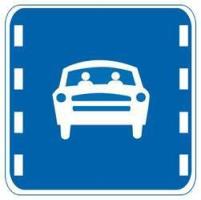
A. Special lane for small vehicles
B. Special lane for motorized vehicles
C. Special lane for taxis
D. Special lane for multi-passenger vehicles
Answer:D
7、It is an illegal act for the driver to make calls while driving.
A. Right
B. Wrong
Answer:A
8、What kind of harmful effect will be brought about by continuously using the foot brake on a long downhill road?
A. Shorten the engine?ˉs service life
B. Make the driver feel tired
C. Easily cause the vehicle to overturn
D. Reduce the braking efficiency
Answer:D
9、May speed up to go through the crosswalk when no one is near it
A. Right
B. Wrong
Answer:B
10、Which is the wrong measure to avoid tire burst?
A. Reduce tire pressure
B. Check tires regularly
C. Remove foreign matters from the tire tread grooves timely
D. Replace tires that have cracks or deep cuts
Answer:A
11、When driving on a foggy day, the driver should turn on the fog lamp.
A. Right
B. Wrong
Answer:A
12、When the driver discovers that steering is stiff, the wrong measure is to ___________.
A. Reduce speed and stop the vehicle as fast as possible
B. Stop at a safe place
C. Continue to drive
D. Identify the cause
Answer:C
13、When rescuing a wounded person suffering spinal fracture, it is necessary to ___________.
A. Take warm-keeping measure
B. Use soft stretcher to carry
C. Use sling to keep in position
D. Help the wounded person to move
Answer:C
14、A light motorcycle is only permitted to carry preschoolers.
A. Right
B. Wrong
Answer:B
15、When encountering children on the road, the driver should _________.
A. Reduce speed and go slowly, or stop to yield when necessary
B. Continuously honk to urge
C. Swiftly bypass from one side
D. Speed up and bypass
Answer:A
16、When driving in icy and snowy weather, because of the reduction of the stability, it is easy for the wheels to race or slip when rapidly speeding up.
A. Right
B. Wrong
Answer:A
17、The wrong measure to use the brake of a motorcycle is to __________.
A. Simultaneously use the front and back brakes
B. Use the front brake first
C. Use the back brake first
D. Avoid using the front brake too early
Answer:B
18、Which lamp should be used when motor vehicles pass hrough an intersection at night where there is no traffic light signal?
A. High-beam
B. Low-beam
C. Hazard lamps
D. High-beam and low-beam should be used alternatively
Answer:D
19、When passing an intersection, vehicle motor drivers are not allowed to overtake.
A. Right
B. Wrong
Answer:A
20、Which measures is correct when a motor vehicle intends to overtake
A. After overtaking, turn on the right turning light and drive back to the original lane after the necessary safe distance has been pulled away by overtaking.
B. Overtaking from the left side of the previous car
C. After overtaking, turn on the right turn light and drive back to the original Lane immediately.
D. Overtake on the right side
Answer:AB