绥化科目四英文试题
1、The sign on the right warns of a non-motor vehicle lane.
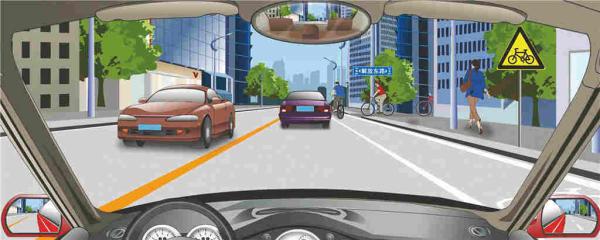
A. Right
B. Wrong
Answer:B
2、What needs attention when a motor vehicle drives on a road covered with ice and snow?
A. Braking length is extended
B. Anti-skating resistance will be greater
C. The adhesive force of the road will be greater
D. The braking length will be shorter
Answer:A
3、The sign on the right indicates that vehicles from the primary road have priority.
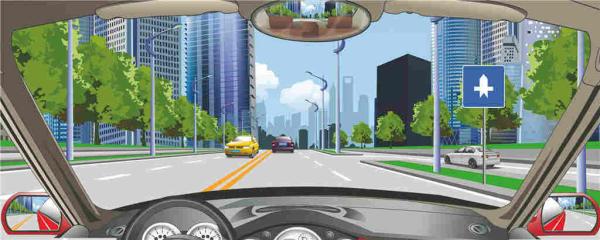
A. Right
B. Wrong
Answer:A
4、When overtaking on a rainy day, drivers should turn on headlamps and sound a long horn.
A. Right
B. Wrong
Answer:B
5、Sideslip happens most easily on which one of the following road surfaces?
A. Dry concrete road
B. Road surface at the beginning of rain
C. Damp concrete road surface
D. Road in heavy rain
Answer:B
6、When driving on an expressway in rain, the driver should slow down to avoid steering failure arising from water slide
A. Right
B. Wrong
Answer:A
7、The sign on the right indicates a 200-meter distance from the gas station ahead.
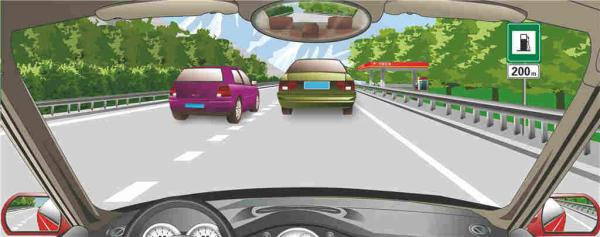
A. Right
B. Wrong
Answer:A
8、Under such circumstances, what should be done by motor vehicle drivers in order to maintain safe driving?
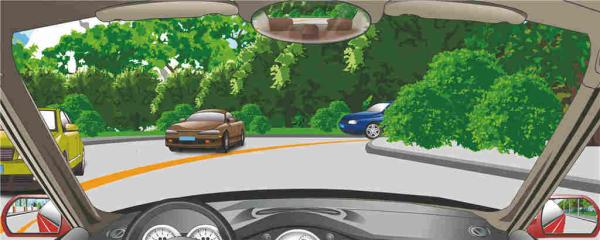
A. Sound the horn or turn on the headlamps
B. Reduce speed or drive on the right side
C. Keep to the central line as best as possible
D. Drive on the left side of the road
Answer:B
9、The sign on the right indicates to stop and yield at the intersection ahead.
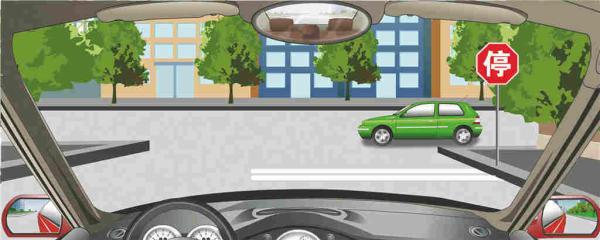
A. Right
B. Wrong
Answer:A
10、The sign on the right warns of an unguarded railway intersection ahead.

A. Right
B. Wrong
Answer:B
11、Before setting off, it is necessary to check the driving cabin, engine cabin, external and tires of the motor vehicle.
A. Right
B. Wrong
Answer:A
12、A driver should accelerate in advance to overtake then it is likely to meet with oncoming vehicles.
A. Right
B. Wrong
Answer:B
13、The sign on the right side warns of an abrupt downhill section ahead.
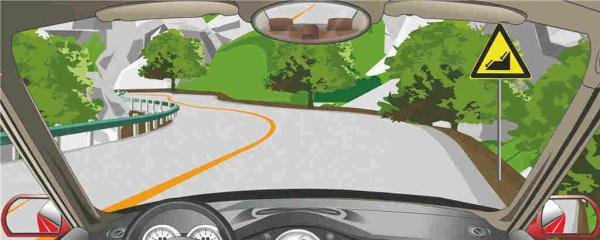
A. Right
B. Wrong
Answer:B
14、Drivers needn?ˉt yield to pedestrians who display such behavior.
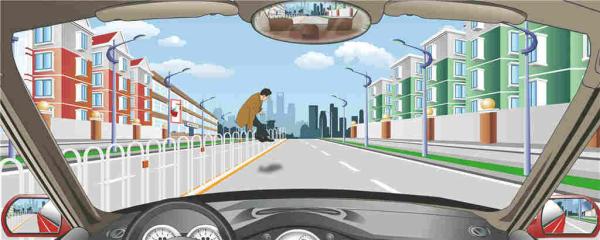
A. Right
B. Wrong
Answer:B
15、How to ensure motor vehicles have sufficient power when driving uphill?
A. Downshift before reducing speed
B. Downshift after reducing speed
C. Downshift when the speed is excessively low
D. Downshift to the fullest extent
Answer:A
16、When driving a motor vehicle equipped with power steering, the driver should firmly hold the steering wheel and drive slowly if he suddenly finds that steering is difficult.
A. Right
B. Wrong
Answer:B
17、This sign warns to bypass from the right side to avoid the roadblock.
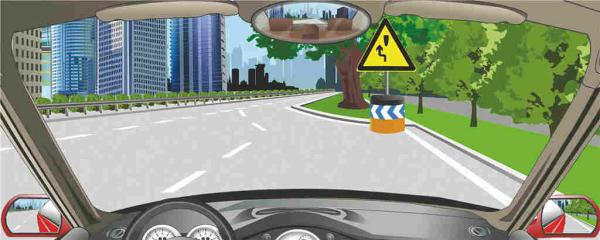
A. Right
B. Wrong
Answer:B
18、The slow-down-and-yield line at the intersection ahead indicates that vehicle drivers should stop and give the right of way to vehicles on the trunk road.

A. Right
B. Wrong
Answer:B
19、This sign warns to bypass from the left side to avoid the roadblock.
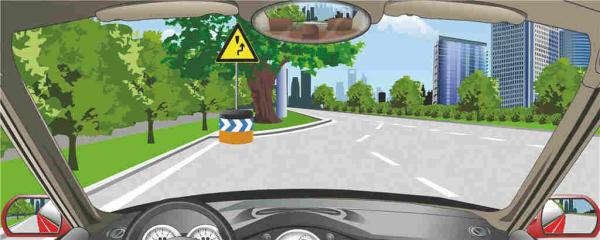
A. Right
B. Wrong
Answer:B
20、On a mountain road, what should the driver do in this situation?
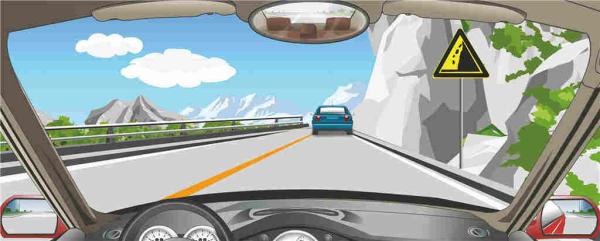
A. Drive on the left and speed up to bypass
B. Stop to observe and pass slowly
C. Observe closely and pass as soon as possible
D. Sound the horn several times and pass slowly
Answer:C