防城港摩托车科目四英语试题
1、Why is it dangerous to overtake on a snowy mud road in heavy snow?
A. Snow can increase tire adhesion
B. The flying mud made the sight bad.
C. Long braking distance in case of emergency
D. Pavement under snow and mud is easier to skid.
Answer:BCD
2、How to ensure safe driving at night?
A. Drive at speed limit
B. Cut speed and drive carefully
C. Maintain the current speed
D. Drive above the speed limit
Answer:B
3、After a traffic accident, what is the most effective measure to prevent secondary accidents?
A. Evacuate all passengers
B. Turn on the hazard lamps
C. Mark the original place of the injured persons
D. Properly place the danger warning sign
Answer:ABD
4、What is the meaning of this sign?

A. Reducing speed 40m ahead
B. Minimum speed is 40km/hr
C. Axle weight limit is 40 tons
D. Maximum speed limit is 40km/hr
Answer:D
5、Keep enough safe distance When a motor vehicle follows another vehicle, because ______.
A. Avoke a rear-end collision
B. The closer you get to the vehicle, the less easy it is to grasp the situation ahead of the vehicle.
C. Enough distance to avoid emergencies
D. Prevent being unable to detect the front vehicle brake in time due to the damage rear lamp of the front vehicle
Answer:ABCD
6、Whats the meaning of this sign?
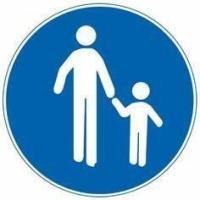
A. Pass with low speed
B. Watch for pedestrians
C. On foot
D. Pedestrians go first
Answer:C
7、What are the main reason for not applying emergency braking when driving on rainy days?
A. Increase fuel consumption
B. Reduce fuel consumption
C. The tires can easily spin
D. Easy to cause rear-end collision
Answer:CD
8、It is not a bad habit for a driver to frequently change lanes.
A. Right
B. Wrong
Answer:B
9、Whats the meaning of the double white broken lines in far front of the intersection?
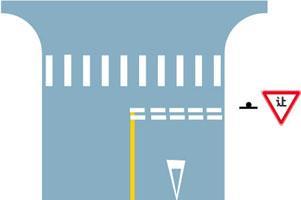
A. Waiting to run line
B. Stopping and yield line
C. Slowdown and yield line
D. Left-turn waiting line
Answer:C
10、The motor vehicle should speed up and pass rapidly under this situation.
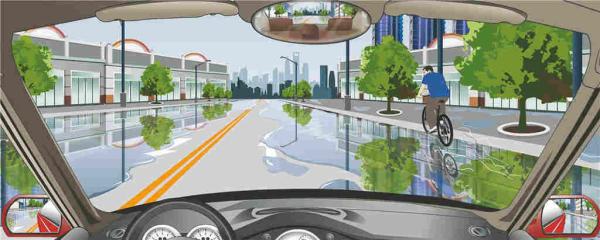
A. Right
B. Wrong
Answer:B
11、When driving on a long downhill road, which is the best way to control driving speed?
A. Coast in neutral gear
B. Depress the clutch and coast
C. Use the engine to brake
D. Depress the brake pedal continuously
Answer:C
12、What is the meaning of this sign?
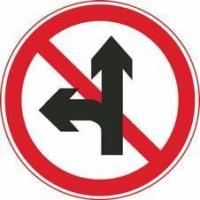
A. No going straight and no changing to left lane
B. No going straight and no left turn
C. Allowed to go straight and turn left
D. No going straight and no right turn
Answer:B
13、Which of the following is a basic requirement for rescuing the injured at the scene of a traffic accident?
A. Treat wounds first and safe life later
B. Save life first and treat wounds later
C. Help lightly wounded persons first
D. Help seriously wounded persons later
Answer:B
14、When there is no bondage for rescuing a wounded person, towels, handkerchiefs, bed sheets and stockings can be used for dressing.
A. Right
B. Wrong
Answer:A
15、What is the meaning of this sign?
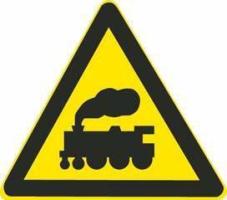
A. Watch for long time honking
B. An unmanned level crossing
C. A manned level crossing
D. Multi-crossing of railway and road
Answer:B
16、When encountering dangerous and complicated circumstance, the driver should keep medium or low speed and keep the balance of the motorcycle to pass it cautiously.
A. Right
B. Wrong
Answer:A
17、When passing through a tunnel, the wrong measure is to ___________.
A. Keep safe distance when two vehicles cross each other
B. Driving with the low beam light
C. Use the hight beam light when two vehicles cross each other
D. Overtaking in the tunnel
Answer:CD
18、What is the meaning of this sign?
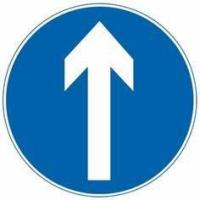
A. Straight-going lane
B. Going straight only
C. One-way road
D. No going straight
Answer:B
19、When driving on a muddy road, what should the driver do?
A. Try to avoid using the foot brake
B. Stop and observe the road ahead
C. Avoid shifting halfway as much as possible
D. Put in low gear ahead of time
Answer:ABCD
20、When a motor vehicle encounters a burning phenomenon, it should leave the vehicle quickly so as not to cause injury or asphyxia to the respiratory tract.
A. Right
B. Wrong
Answer:A