攀枝花驾考英语版科目四
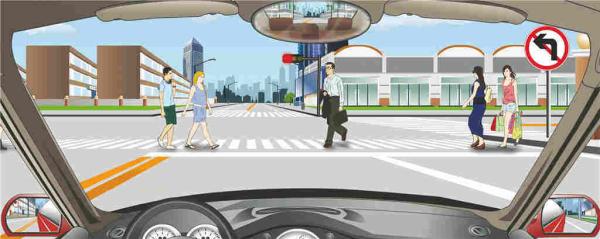
1、Motor vehicle drivers may make a U-turn in this area as long as it will not affect the passing of pedestrians.
A. Right
B. Wrong
Answer:B
2、When driving on an expressway, drivers should not frequently change lanes.
A. Right
B. Wrong
Answer:A
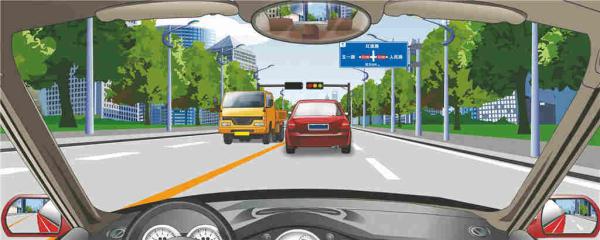
3、The sign in front indicates the allocation of roads ahead.
A. Right
B. Wrong
Answer:B
4、Which one of the following is the safest way when driving a motor vehicle on this road?
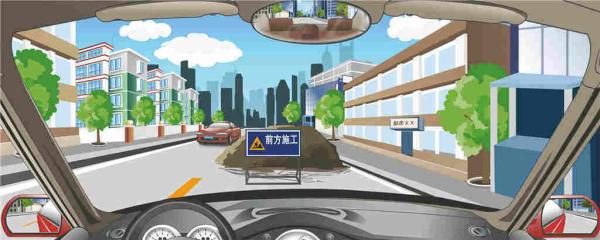
A. Speed up and bypass the obstacle
B. Take the opposite lane and compel the other vehicle to yield
C. Stop and yield to the oncoming vehicle
D. Sound the horn or turn on the headlamp
Answer:C
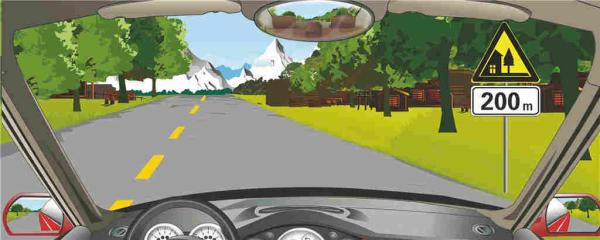
5、The sign on the right warns of a village 200 meters ahead.
A. Right
B. Wrong
Answer:A
6、When encountering a situation like changing to a left lane, motor vehicle drivers should yield.

A. Right
B. Wrong
Answer:A
7、The sign on the right warns of low-lying road ahead.

A. Right
B. Wrong
Answer:A
8、The circle in the center of the intersection indicates that drivers should drive along the inner side when making a small left turn.
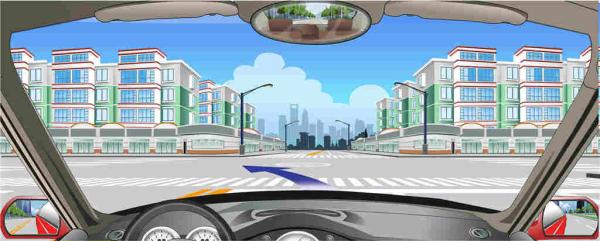
A. Right
B. Wrong
Answer:A
9、What should be done to keep safe when a motor vehicle driver is overtaking in this condition?
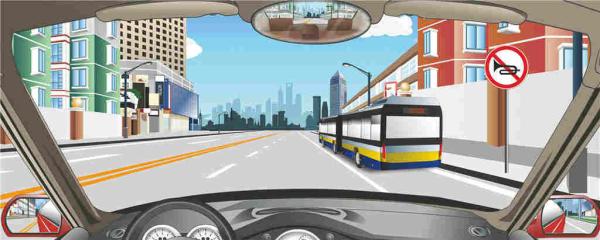
A. Reducing speed and keeping a safe distance
B. Continuously sounding the horn to indicate the vehicle in front
C. Accelerating to pass while keeping a certain distance
D. Overtaking by occupying the opposite lane
Answer:A
10、When a motor vehicle stops temporarily in a rainy day,which lamp should be turned on?
A. Front and rear fog lamps
B. Hazard lamps
C. Headlamps
D. Reverse lamps
Answer:B
11、When overtaking on a rainy day, drivers should turn on headlamps and sound a long horn.
A. Right
B. Wrong
Answer:B
12、Drivers may turn left when traffic police give these hand signals.
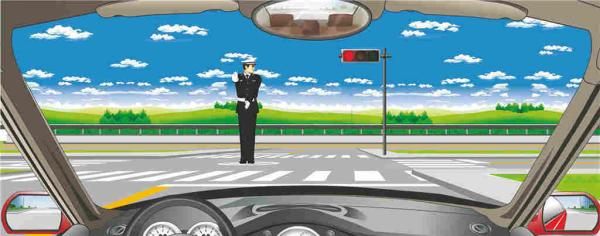
A. Right
B. Wrong
Answer:B
13、What should the driver do when seeing these hand signals?
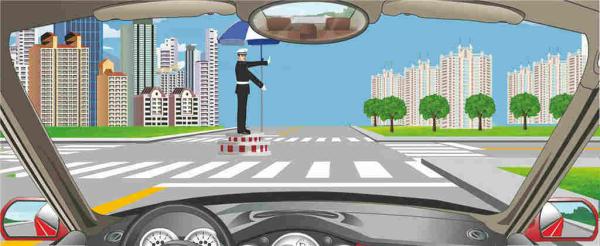
A. Go straight and pass through the intersection
B. Pull over
C. Drive to the waiting area for turning left
D. Turn right at the intersection
Answer:D
14、When a motor vehicle accidentally hits the guardrail of a highway, an effective protective measure is to turn dramatically in the opposite direction.
A. Right
B. Wrong
Answer:B
15、Motor vehicles are prohibited from turning left in this situation.
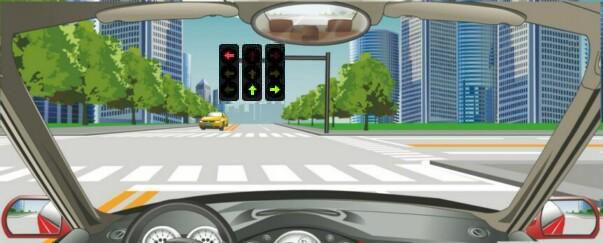
A. Right
B. Wrong
Answer:A
16、The sign in front is an advance announcement of famous places and distances en route.
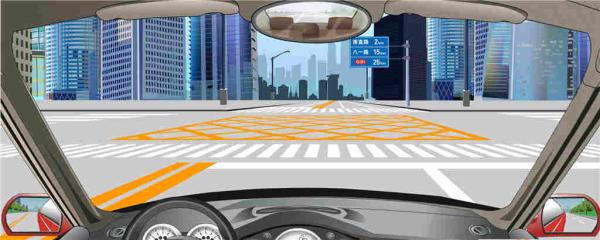
A. Right
B. Wrong
Answer:A
17、This road marker indicates that the minimum speed for this road section is 60 km/hour.
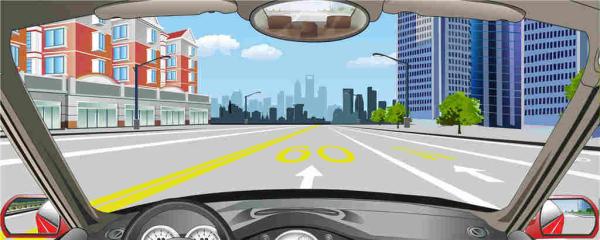
A. Right
B. Wrong
Answer:B
18、The slow-down-and-yield line at the intersection ahead indicates that vehicle drivers should stop and give the right of way to vehicles on the trunk road.

A. Right
B. Wrong
Answer:B
19、Under such circumstances, motor vehicle drivers should stop and yield
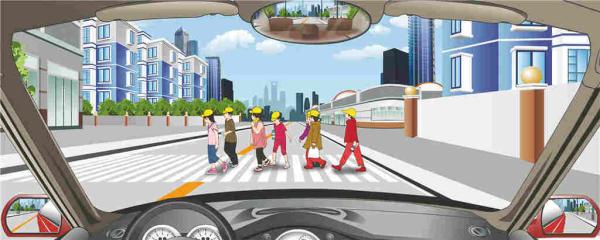
A. Right
B. Wrong
Answer:A
20、After setting off from the roadside, motor vehicle drivers should speed up as soon as possible and make a sharp left-turn in order to drive into the normal lane.
A. Right
B. Wrong
Answer:B