莱芜驾考科目一英文版题库
1、Whats the meaning of this sign?
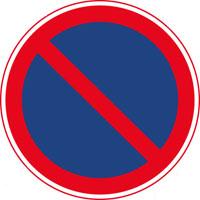
A. no stopping temporarily
B. no long stopping
C. no stopping
D. long stopping is allowed
Answer:B
2、Driving on the expressway with full signs and marking, the driver should run in the lane and at the speed according to _________.
A. Signs and markings
B. Rules on road traffic safety
C. Vehicle manual
D. Local regulations
Answer:A
3、How to run if this traffic light continuously flashes?
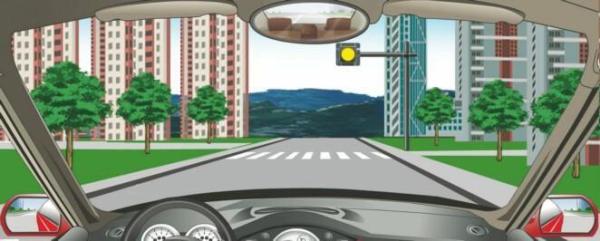
A. speed up and pass as soon as possible
B. stop by the side to wait
C. look and make sure it is safe to pass
D. apply emergency braking
Answer:C
4、You have the priviledged passing right of way at the intersection in this situation.
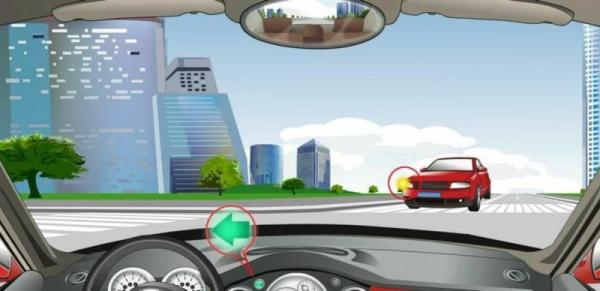
A. Right
B. Wrong
Answer:A
5、When the motor vehicle installed ABS system applys emergency braking, the driver can depress the brake pedal heavily.
A. Right
B. Wrong
Answer:A
6、Whats the meaning of this sign?
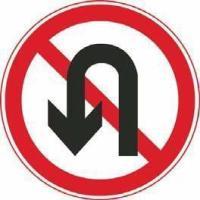
A. no changing lane
B. no left turn
C. no going straight
D. no U turn
Answer:D
7、childrens passage
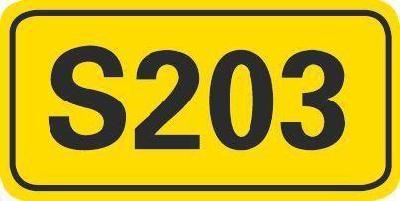
A. provincial highway No.
B. national highway No.
C. county road No.
D. township road No.
Answer:A
8、A motorized vehicle driver who violates of traffic lights is subject to a 6-point penalty.
A. Right
B. Wrong
Answer:A
9、You can make an U turn at this intersection.
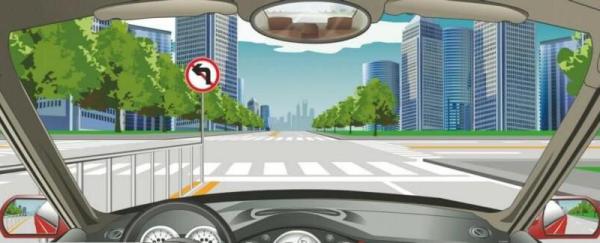
A. Right
B. Wrong
Answer:B
10、Turn on the left-turn signal in advance when making a U turn on the road.
A. Right
B. Wrong
Answer:A
11、What device does the switch of this symbol control?

A. the windscreen wiper and washer
B. the rear window defrosting or defogging
C. the rear window wiper and washer
D. the windscreen defrosting or defogging
Answer:C
12、Whats the meaning of this sign?
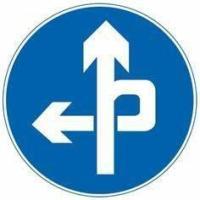
A. going straight and turning left at an interchange
B. going straight and turning right at an interchange
C. going straight and turning left
D. going straight and turning right
Answer:A
13、Whats the meaning of the yellow marking on the road?
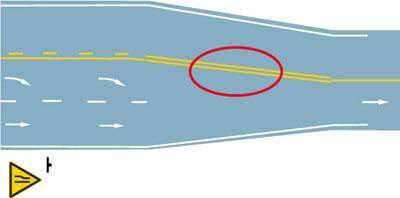
A. gradual road width
B. more carriageways
C. closing to obstacle
D. construction section indication
Answer:A
14、Whats the meaning of this sign?
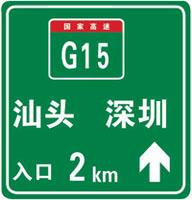
A. expressway entry ahead
B. expressway ending ahead
C. expressway beginning ahead
D. expressway exit ahead
Answer:A
15、Whats the meaning of this sign?
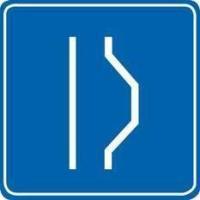
A. uncovered car park
B. emergency stopping
C. parking space
D. passing bay
Answer:D
16、If the registration paper, license plate and vehicle license of a motorized vehicle are lost or destroyed, the vehicle owner should apply for reissuing or replacing them to the _______________.
A. traffic police detachment vehicle management station at the residential place
B. vehicle management station at the issuing place of the driving license
C. vehicle management station at the registration place
D. local police station
Answer:C
17、When bicycles ahead obstruct the traffic flow, the driver may honk to remind them,speed up and bypass.
A. Right
B. Wrong
Answer:B
18、When a vehicle passes a tunnel, it is prohibited from overtaking.
A. Right
B. Wrong
Answer:A
19、When a vehicle runs on an expressway, the driver may ascertain the speed according to his feeling.
A. Right
B. Wrong
Answer:B
20、When a vehicle passes a level crossing, it is prohibited from overtaking.
A. Right
B. Wrong
Answer:A